
Hooded upper-lid skin
Excess or hooded upper-lid skin that makes the eyes look heavy, tired, or partially closed.

Sieveking/Plastic Surgery/Eyelid Surgery
Upper and Lower Blepharoplasty · Cosmetic and Functional · Natural, Lasting Results
If the eyes looking back at you in the mirror seem heavier or more fatigued than your energy level suggests, the change is almost always structural rather than superficial.
Structural, durable change. An eye contour that still reads as entirely your own. Never hollow, stretched, or operated upon.
Eyelid surgery (blepharoplasty) at Sieveking Plastic Surgery in Franklin, Tennessee, addresses excess skin, under-eye puffiness, and the persistent heaviness around the eyes that makes even well-rested patients look tired or older than they feel. Blepharoplasty is the surgical correction of the upper eyelids, lower eyelids, or both, achieved by carefully removing or repositioning excess skin, muscle, and fat in the periorbital area.
Dr. Nicholas Sieveking, Stanford-trained and triple board-certified (including The American Board of Wound Management, ABWM) in plastic and reconstructive surgery, approaches every blepharoplasty with a conservative, natural results philosophy. A thorough consultation with Dr. Sieveking will identify which combination of interventions will produce the best outcome for your specific anatomy. Combined blepharoplasty is also commonly coordinated with a facelift or brow lift when descending facial tissues are contributing to periorbital changes.
Upper blepharoplasty removes redundant skin from the upper lid and, where appropriate, a conservative amount of underlying muscle and herniated fat. The effect is the elimination of hooding, heaviness, and the narrowed eye opening that so often accompanies age-related lid changes.
Lower blepharoplasty addresses under-eye puffiness, bulging fat pads, and loose skin beneath the eye that contribute to a tired or aged look regardless of sleep quality. Dr. Sieveking selects from two well-established approaches based on each patient’s anatomy. The transconjunctival approach places the incision on the inside of the lower lid, leaving no external scar, and is preferred when fat removal or repositioning is the primary objective. The subciliary approach uses a fine incision just below the lower lash line when skin excision is also needed, healing to an inconspicuous line that is difficult to detect.
Fat is a precious material used in contouring the lower eyelid. Dr. Sieveking prefers to use fat pockets to contour lower eyelid troughs and is judicious in removing fat from the lower eyelids so not to give a “hollow” appearance.
The procedure serves both cosmetic and functional goals.
Excess or hooded upper-lid skin that makes the eyes look heavy, tired, or partially closed.
Upper-lid skin folding over the lash line or obstructing peripheral vision.
The narrowed eye opening that so often accompanies age-related lid changes.
Under-eye puffiness and fat pads that create a perpetually fatigued appearance.
Loose or crepey lower-lid skin that contributes to an aged look beneath the eyes.
A tired, sad, or heavy resting expression that originates in the periorbital structure rather than the brow position.
Blepharoplasty creates structural, durable change because it addresses the anatomical cause of the aging appearance rather than masking it.
The result is a more open, alert, and youthful eye contour that still reads as entirely your own.
The goal is eyes that look genuinely refreshed, never hollow, stretched, or operated upon.
Incisions are placed precisely within the natural upper-lid crease so that any resulting scar is effectively hidden when the eyes are open.
Results are long-lasting and typically remain evident for a decade or more, though the natural aging process continues, and individual results vary.
Both procedures are frequently performed together in a single session for comprehensive periorbital rejuvenation, involving one recovery period and allowing Dr. Sieveking to balance the overall eye contour as a unified aesthetic.
Procedures are performed in Sieveking Plastic Surgery’s brand-new, accredited on-site surgery center at 1200 Old Hillsboro Road in Franklin.
Over time, treatments such as the Tetra CO2 Laser and injectable treatments can be layered to maintain and extend your results as part of a long-term aesthetic care plan.
Individual results vary. Discuss your goals and candidacy at your consultation.
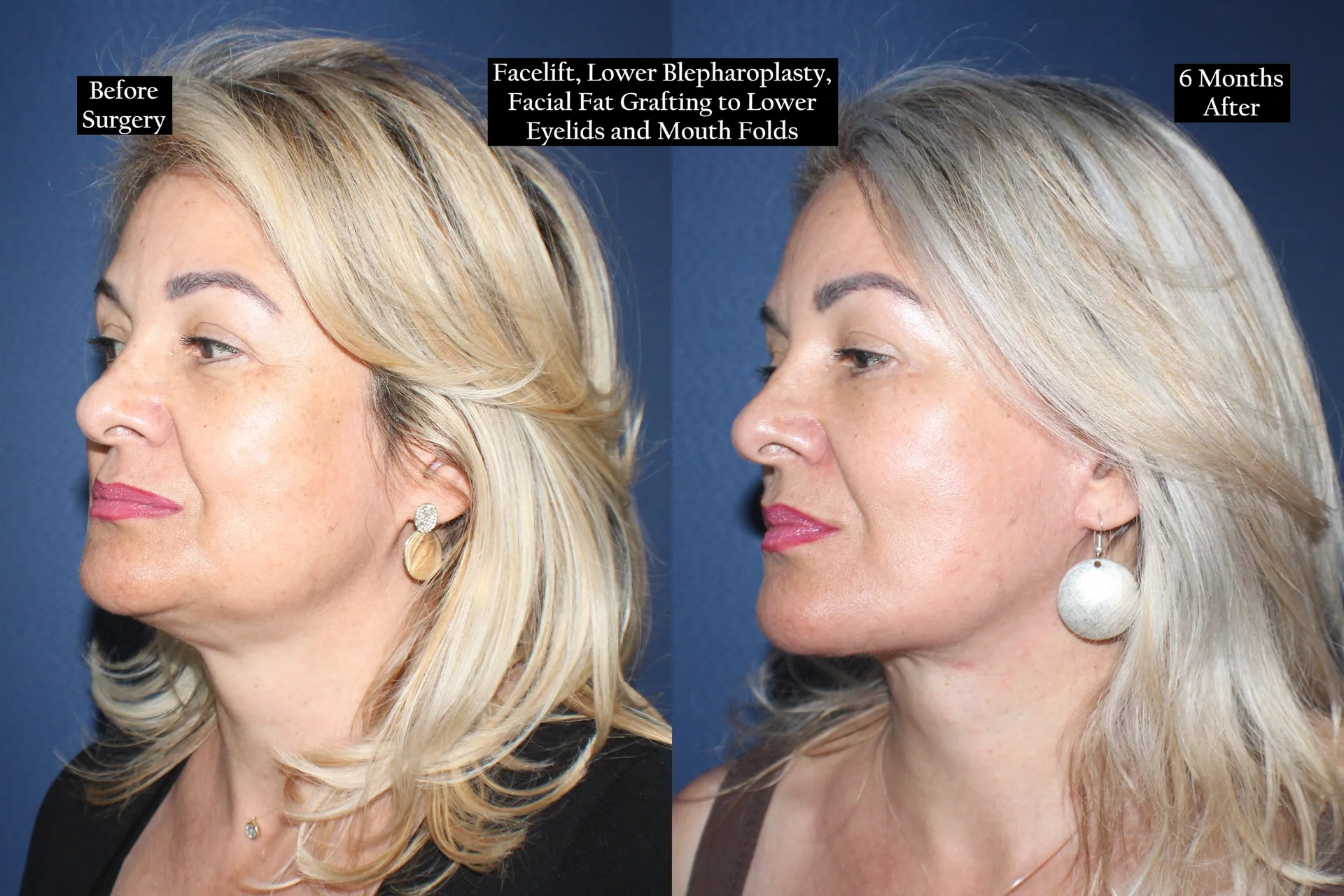
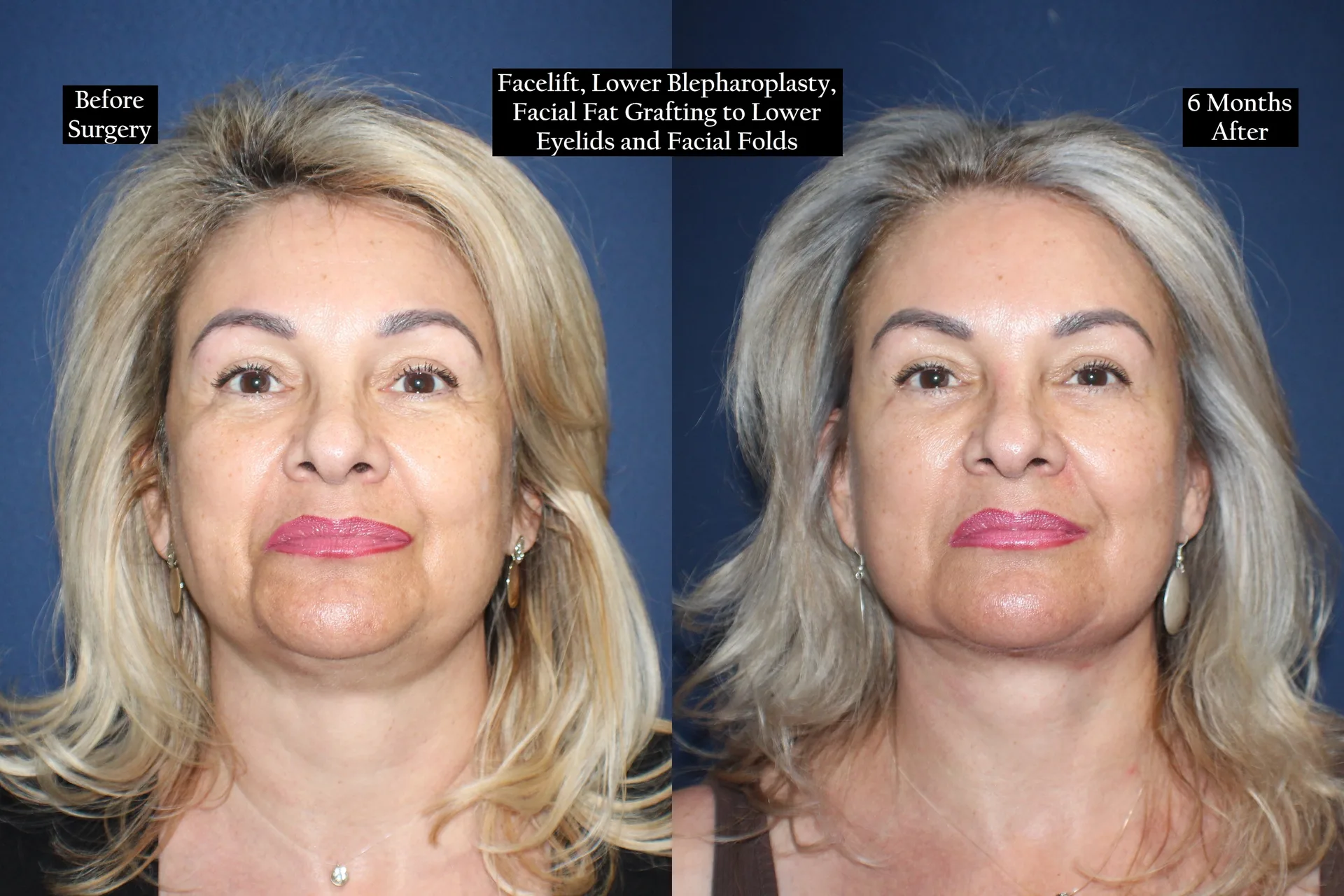
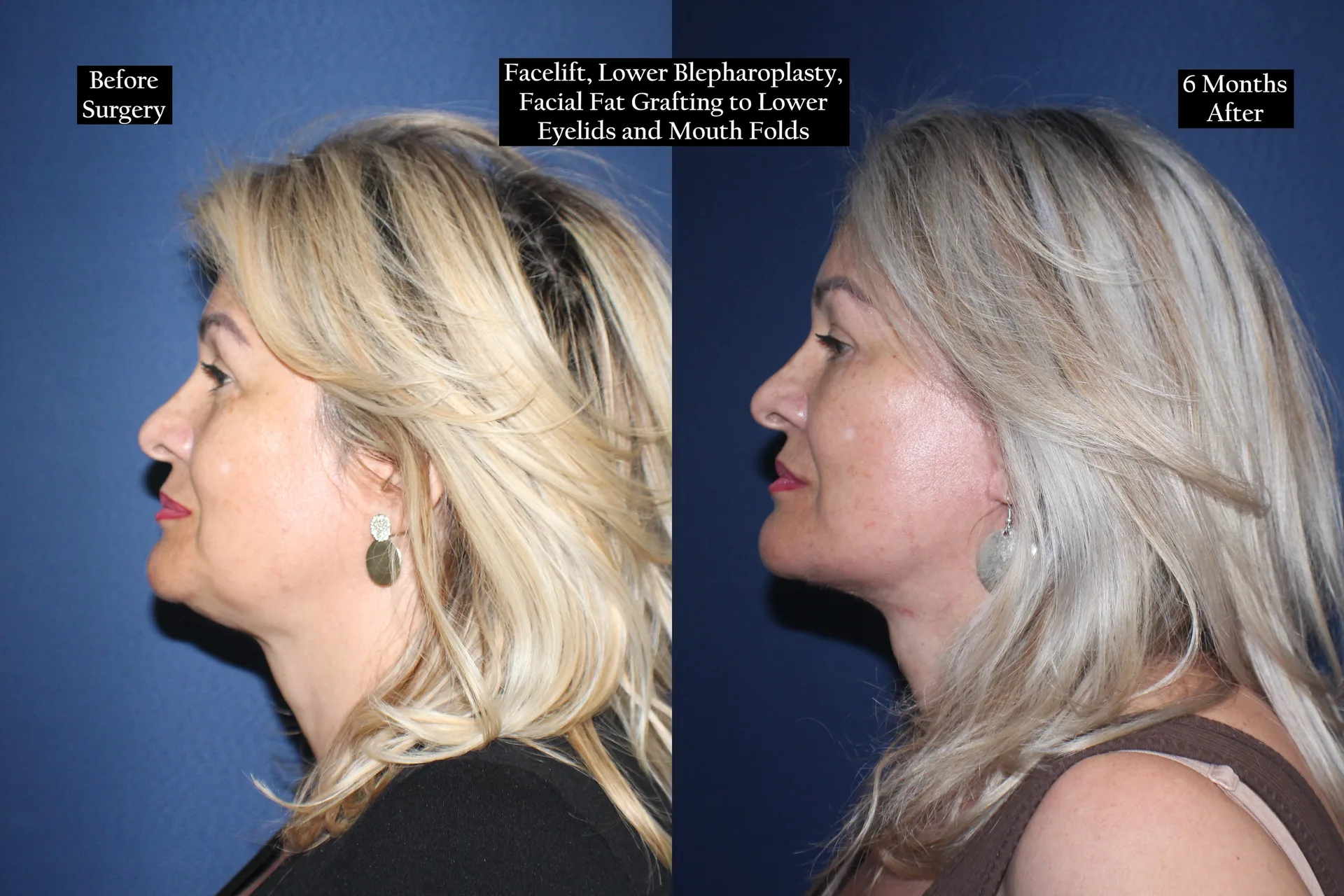
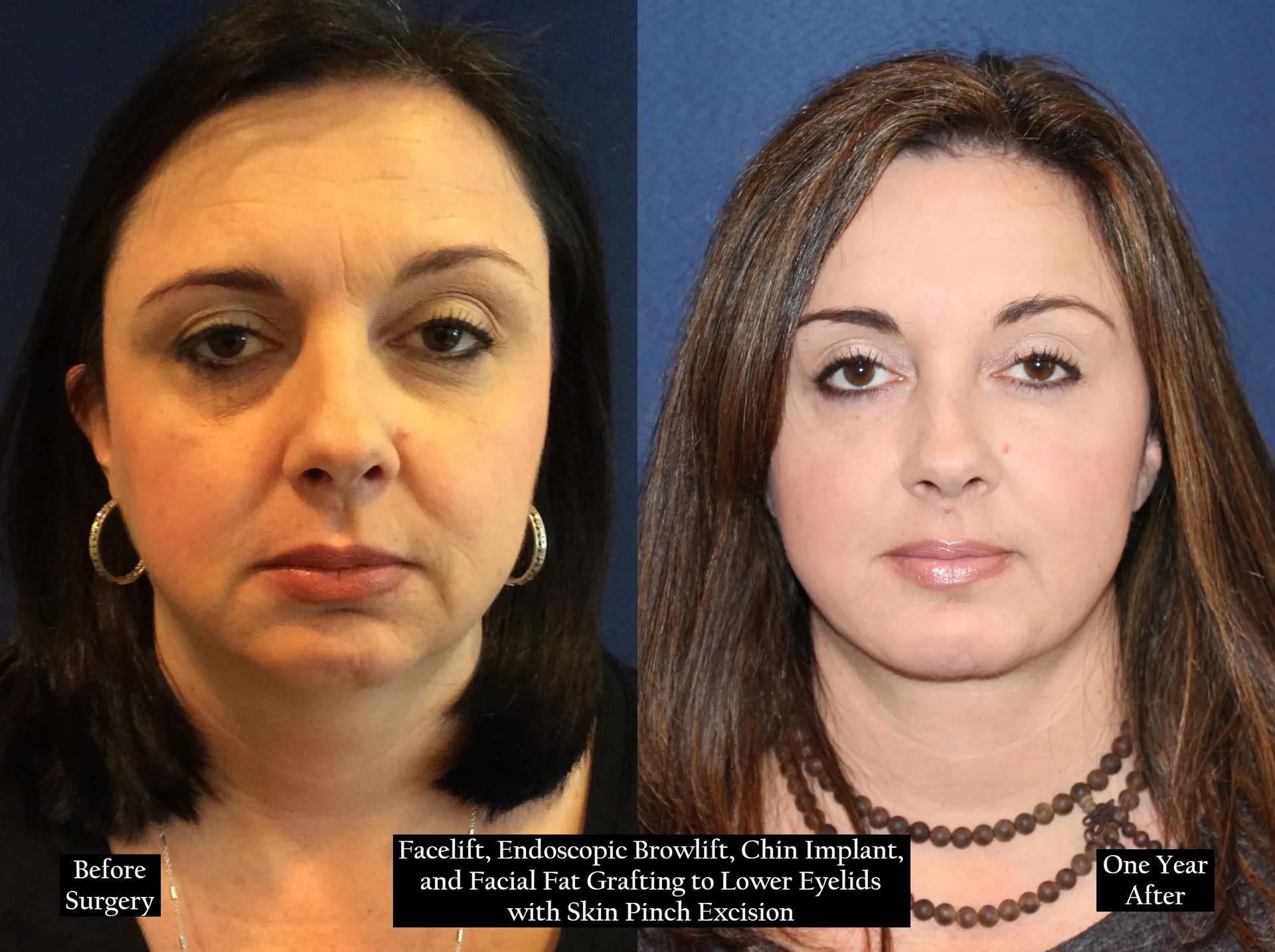
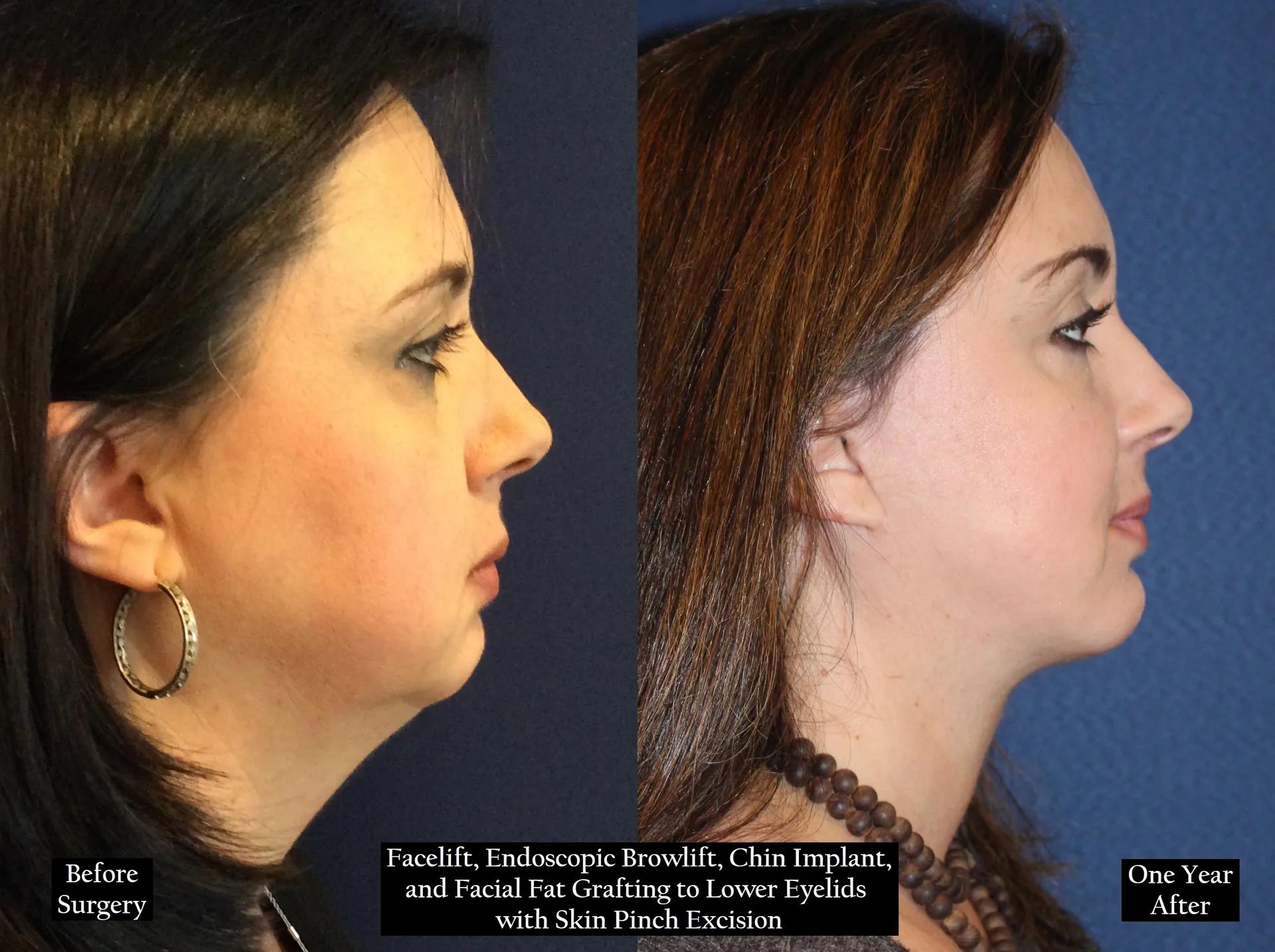
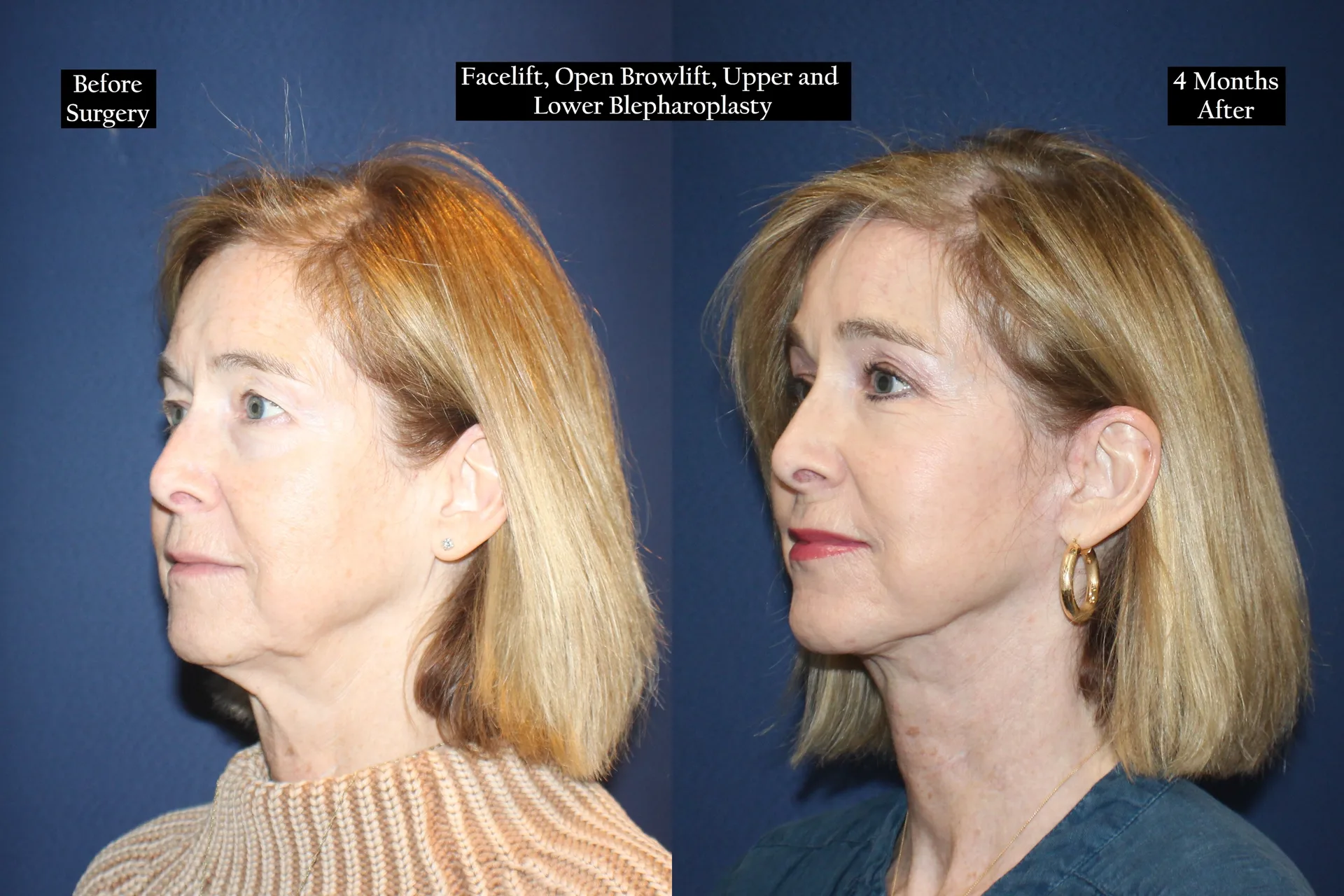
The philosophy at Sieveking Plastic Surgery has always been the same: eyes that look natural and rested, not operated upon or surprised.
The consultation at Sieveking Plastic Surgery is a detailed, unhurried evaluation of the upper and lower lids, brow position, skin quality, fat distribution, and any functional concerns. Dr. Sieveking reviews your eye health history, including any history of dry eye, contact lens use, prior eye surgery, or thyroid conditions. When brow descent is contributing to upper-lid heaviness, he will clearly distinguish between the two and recommend whether a brow lift should be considered alongside, or instead of, eyelid surgery.
Blepharoplasty is performed as an outpatient procedure at Sieveking Plastic Surgery’s brand-new, accredited on-site surgery center in Franklin, Tennessee. Upper blepharoplasty alone is frequently performed under local anesthesia with or without oral sedation. Combined upper and lower blepharoplasty is typically performed under local anesthesia with IV sedation or general anesthesia, depending on scope and patient preference. Upper-only procedures take approximately 45 minutes to 1 hour; combined procedures take approximately 1.5 to 2 hours.
Days 1–3: Swelling and bruising are most pronounced. Cold compresses and head elevation help manage both. Lubricating eye drops are typically prescribed. Days 3–7: Bruising begins to fade. External sutures, when present, are typically removed around days 5–7. Weeks 1–2: Most patients return to sedentary work. Residual bruising and swelling may still be visible. Weeks 2–4: The majority of visible bruising has resolved. Strenuous exercise and heavy lifting should be avoided for approximately 3–4 weeks.
Months 1–3: Residual subtle swelling resolves. The lids soften and settle into their final contour. Final result: The full, settled result is typically visible at 3–6 months, with scar maturation continuing for up to 1 year. Individual results vary and cannot be guaranteed; Dr. Sieveking will provide an honest, anatomy-specific assessment during your consultation.
Stanford-trained. Triple board-certified (including The American Board of Wound Management, ABWM) in plastic and reconstructive surgery.
Blepharoplasty sits at the intersection of plastic surgery and delicate ocular anatomy. The surgeon’s training and precision matter significantly for both the aesthetic outcome and eye health.
Dr. Nicholas Sieveking is Stanford-trained and triple board-certified (including The American Board of Wound Management, ABWM) in plastic and reconstructive surgery, with fellowship training in anti-aging and functional medicine and a post-residency fellowship under the legendary Ivo Pitanguy in Brazil.
He is a multiple-time recipient of Best Plastic Surgeon in Nashville and has authored the Rhinoplasty chapter in the Handbook of Plastic Surgery.
Upper blepharoplasty can correct hooding severe enough to obstruct the peripheral visual field, which means it may qualify as a functional procedure covered by insurance in appropriate candidates.
When excess skin causes measurable visual field obstruction, the procedure may be considered functional; Dr. Sieveking discusses insurance eligibility during the consultation for patients who may qualify.
The questions most prospective patients ask before booking a consultation.
Good candidates are healthy adults whose primary concerns are driven by excess skin, herniated fat, or structural changes rather than brow descent. Patients with significant active dry eye, glaucoma, or thyroid eye disease require careful evaluation before proceeding. A thorough consultation with Dr. Sieveking confirms whether blepharoplasty is right for you.
Upper blepharoplasty alone is commonly performed under local anesthesia with or without oral sedation and takes approximately 45 minutes to 1 hour. Combined procedures are typically performed under IV sedation or general anesthesia and take approximately 1.5 to 2 hours. Your anesthesia plan is confirmed during your consultation.
Most patients see the majority of bruising and swelling resolve within 1–2 weeks and return to sedentary work within 7–10 days. Strenuous activity is restricted for approximately 3–4 weeks. The full, natural result is typically visible at 3–6 months.
Upper-lid incisions are placed within the natural lid crease and are effectively invisible when the eyes are open. Transconjunctival lower-lid incisions leave no external scar. Subciliary lower-lid incisions heal to a very fine line just below the lash line that is difficult to detect at conversational distance.
Risks include temporary or prolonged dry eye, asymmetry, undercorrection or overcorrection, bleeding, infection, changes in sensation, noticeable scarring, and, in rare cases, vision changes. Choosing a board-certified surgeon with extensive periorbital experience and following all pre- and post-operative instructions are the most meaningful ways to reduce these risks.
A descended brow can create or worsen the appearance of upper-lid heaviness. Dr. Sieveking assesses brow position as a standard part of every periorbital evaluation and will clearly distinguish whether a brow lift is needed alongside, instead of, or separately from blepharoplasty based on your specific anatomy.
Ready to take the next step? Call our Franklin, TN, office to schedule your personal consultation with Dr. Sieveking today. During your visit, you will receive a thorough, unhurried evaluation, a clear explanation of your options, and a tailored plan designed around your anatomy and goals. There is no pressure and no obligation, only an honest conversation about what is possible for you.
1200 Old Hillsboro Road, B2 · Franklin, Tennessee
Mon–Thu 9–4:30 · Fri by appointment