
Dorsal hump
A visible bump along the bridge of the nose that disrupts the profile line.

Sieveking/Plastic Surgery/Rhinoplasty
Facial Proportion · Improved Breathing · Natural Appearance
If the size, shape, or proportion of your nose has long been a source of self-consciousness, or if structural issues are affecting your breathing, a consultation with Dr. Sieveking can clarify exactly what is possible for your face, your goals, and your anatomy.
Precision. Proportion. Conservative judgment.
Rhinoplasty is a surgical procedure that reshapes the nose by modifying its underlying bone, cartilage, and soft tissue. It can refine the overall size of the nose, smooth a dorsal hump, correct a drooping or bulbous tip, narrow wide nostrils, improve symmetry, or restore balance between the nose and surrounding facial features. When structural issues inside the nose contribute to restricted airflow, a combined cosmetic and functional approach addresses both concerns in a single procedure.
At Sieveking Plastic Surgery, the guiding philosophy is proportion over transformation. The goal is never a generic or overdone result. It is a nose that looks like it has always belonged to your face, harmonizing naturally with your eyes, jaw, and profile.
Dr. Sieveking selects the technique based on what your anatomy and goals require, not on a preference for one approach over the other.
In a closed rhinoplasty, all incisions are placed inside the nostrils with no external scar, and swelling often resolves somewhat faster. This approach works well for refinements focused on the bridge or bony framework.
In an open rhinoplasty, a small additional incision across the columella gives the surgeon direct visibility and access to the entire nasal structure, which is particularly valuable for tip refinement, significant reshaping, correction of asymmetry, or revision work. When placed and closed with precision, the columellar incision heals to a fine, inconspicuous line not visible at normal conversational distance.
Rhinoplasty at Sieveking Plastic Surgery is well-suited to patients who want to correct one or more of the following concerns:
A visible bump along the bridge of the nose that disrupts the profile line.
A tip that appears undefined, wide, or too prominent for the rest of the face, or that points downward at rest or when smiling.
A nose that appears too wide or too flat, relative to other facial features.
Nostrils that seem disproportionate to the tip or the rest of the nose.
A nose that does not sit straight on the face, whether from development or prior injury.
Structural irregularities such as a deviated septum that restrict comfortable airflow.
Refined, natural balance for your profile.
A nose in natural harmony with the eyes, lips, and chin makes every feature read more clearly and attractively.
Dr. Sieveking’s conservative approach prioritizes proportionate changes that preserve your individuality rather than producing a result that reads as surgically altered.
When airway concerns are addressed alongside cosmetic refinement, many patients notice a meaningful improvement in nasal airflow and comfort.
Dr. Sieveking authored the Rhinoplasty chapter in the Handbook of Plastic Surgery, a distinction that reflects the depth of expertise he brings to every patient he operates on.
Because rhinoplasty reshapes the bone and cartilage framework of the nose, results are durable and do not require maintenance treatments.
Many patients find that a long-standing source of self-consciousness resolves once results are fully settled.
Dr. Sieveking will evaluate your facial anatomy, listen carefully to your goals, and give you an honest, precise picture of what rhinoplasty can achieve for you.
Individual results vary. Discuss your goals and candidacy at your consultation.
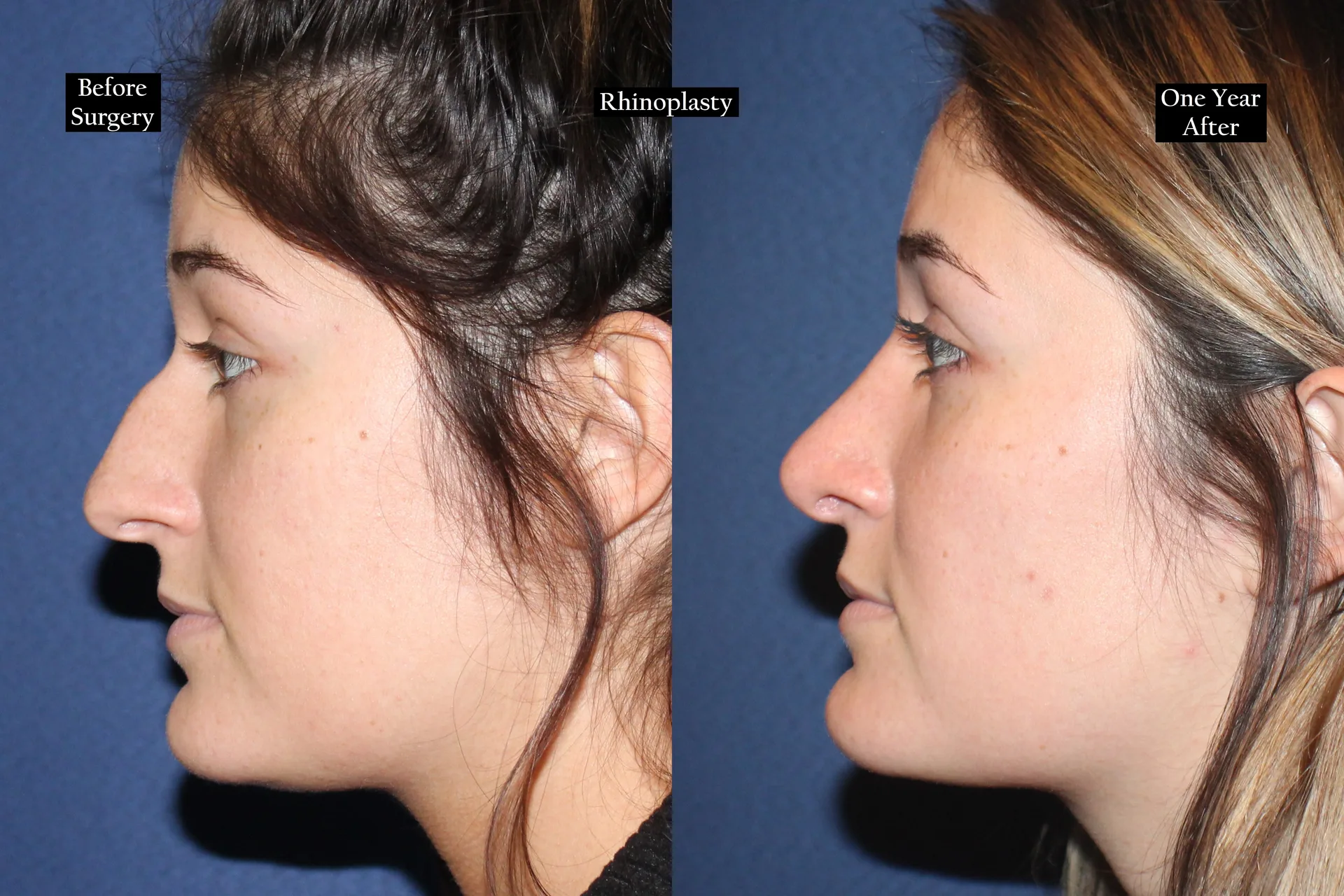
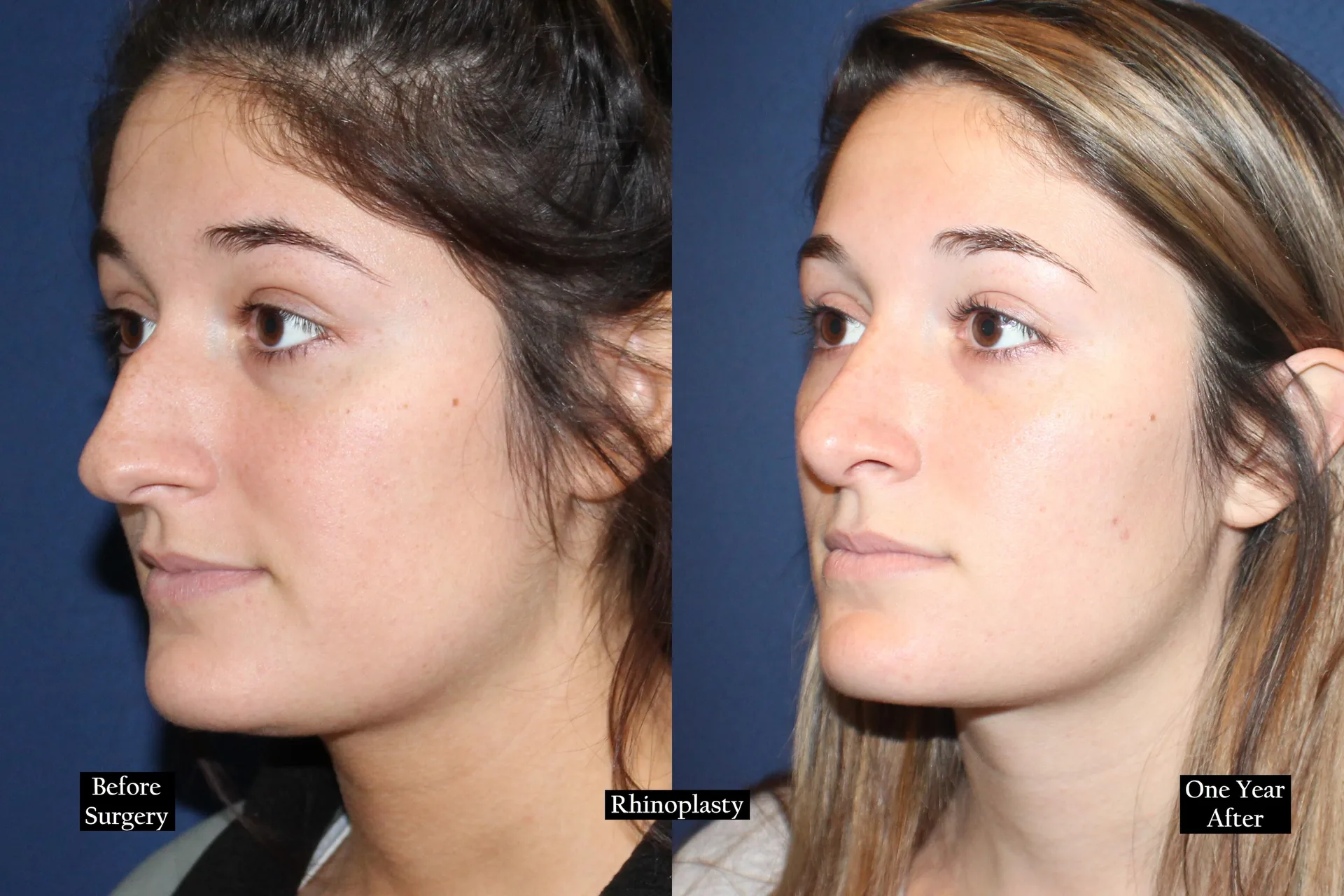
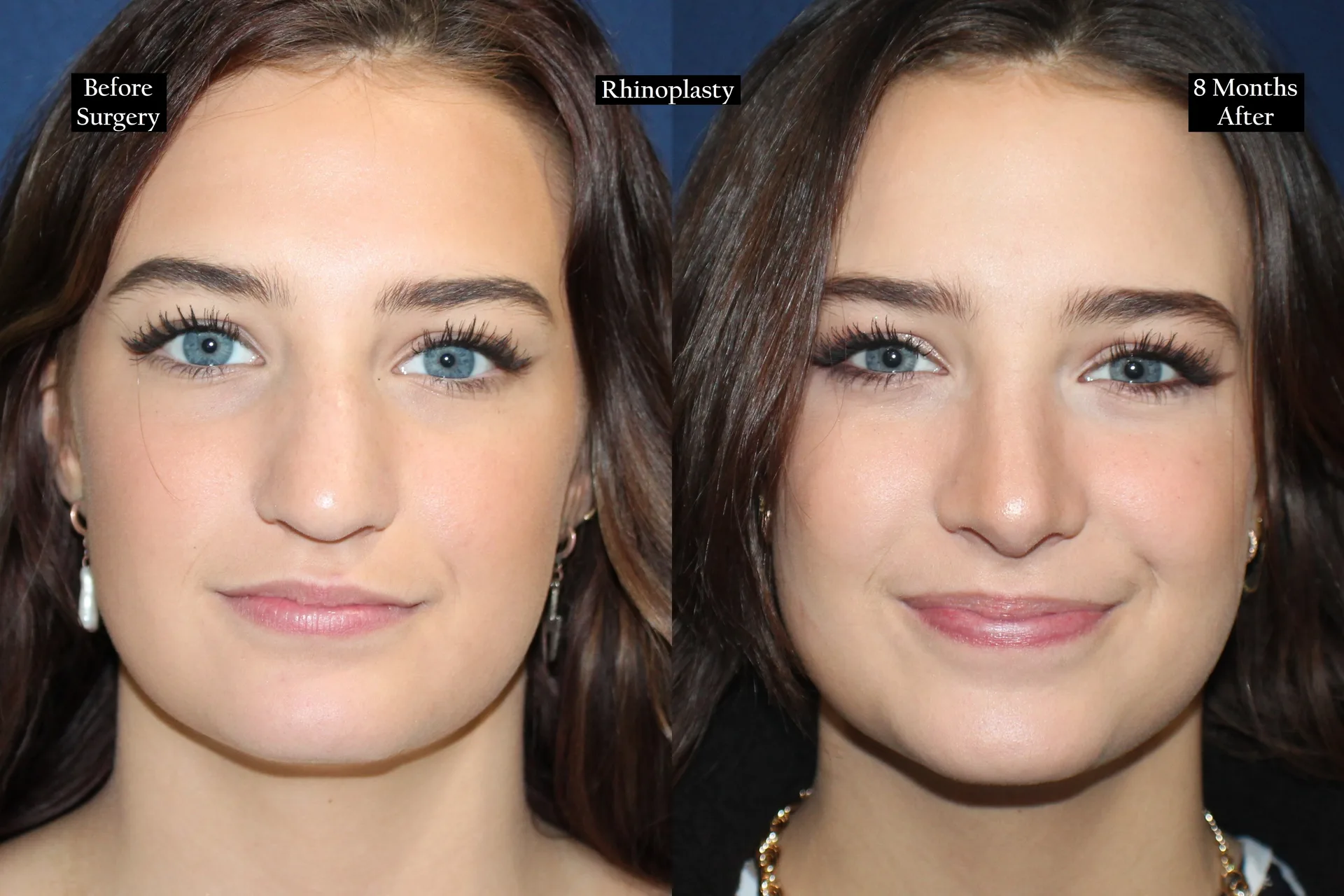
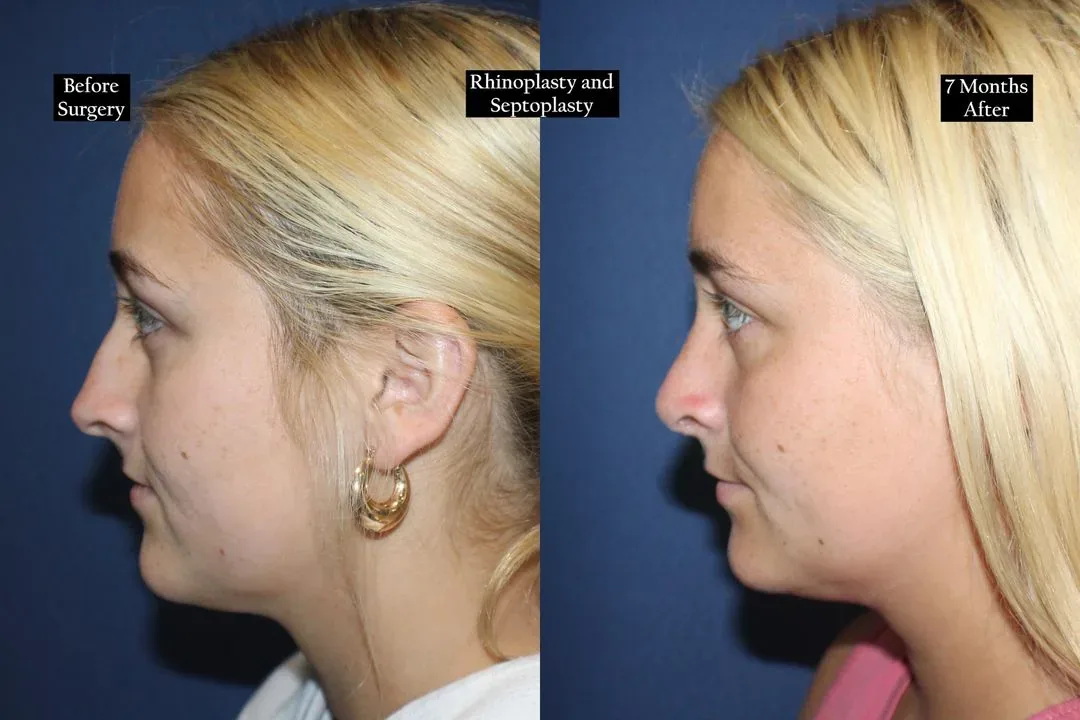
Results that look natural, last for decades, and feel like you have always looked this way are worth doing once and doing right.
The consultation at Sieveking Plastic Surgery is a detailed, unhurried conversation. Dr. Sieveking performs a comprehensive facial analysis, evaluates your nasal structure inside and out, and discusses your goals with precision. Where imaging or visual simulation can help clarify expectations, that tool is incorporated into the planning process. If breathing concerns are present, an airway assessment is included. The outcome is a personalized surgical plan that reflects both the science of nasal anatomy and the art of facial proportion.
Rhinoplasty is performed under general anesthesia and typically takes between 1.5 and 3 hours, depending on the complexity of the surgical plan. Dr. Sieveking uses either an open or closed technique based on what your anatomy and goals require. The closed approach places all incisions entirely inside the nose, leaving no external scar. The open approach adds a small incision along the columella, which heals to a barely visible line and is reserved for cases requiring greater access and precision. The procedure is performed on an outpatient basis at the brand-new, on-site surgery center.
Days 1–7: An external splint protects the nose and is typically removed at approximately 1 week. Bruising and swelling around the eyes and bridge are normal. Rest and elevation are the priorities. Internal packing or splints are used only if a septoplasty is performed. Weeks 1–2: Most visible bruising fades significantly. Many patients feel comfortable returning to desk work or light activity by the end of week 2. Weeks 3–6: Strenuous activity, contact sports, and any risk of nasal impact should be avoided. The nose will look meaningfully better, though residual swelling remains.
Months 1–6: The majority of swelling resolves, and the overall shape becomes clearly visible. Most patients feel comfortable in social and professional settings. Up to 12 months: The nasal tip is the last area to fully refine. Final results continue to emerge gradually over the course of 1 year.
Stanford-trained. Triple board-certified (including The American Board of Wound Management, ABWM). Author of the Rhinoplasty chapter in the Handbook of Plastic Surgery.
Dr. Nicholas Sieveking is Stanford-trained and triple board-certified (including The American Board of Wound Management, ABWM) in plastic and reconstructive surgery as well as anti-aging and functional medicine. He completed a post-residency fellowship under Ivo Pitanguy in Brazil and has been recognized multiple times as Best Plastic Surgeon in Nashville. He is the author of the Rhinoplasty chapter in the Handbook of Plastic Surgery, and with more than 25 years of surgical experience, his approach is defined by precision, proportion, and conservative judgment that produces results patients are still proud of years later.
If you have considered rhinoplasty and want to work with one of the most credentialed surgeons in Middle Tennessee, Sieveking Plastic Surgery offers a consultation experience that is thorough, unhurried, and genuinely informative.
Recovery from rhinoplasty is real, and Dr. Sieveking’s team will never minimize it. Careful planning and honest guidance throughout the process are part of the concierge-level experience at Sieveking Plastic Surgery.
Not every concern requires the same technique or scope. A consultation with Dr. Sieveking establishes a precise surgical plan based on your anatomy and your goals, not a template applied to every patient.
Because rhinoplasty reshapes the bone and cartilage framework of the nose, results are durable and do not require maintenance treatments.
The questions most prospective patients ask before booking a consultation.
Good candidates are healthy adults whose nasal development is complete, typically from the mid-to-late teenage years onward, with specific, realistic goals. A consultation with Dr. Sieveking is the only way to confirm candidacy and build a personalized surgical plan.
Most patients have their external splint removed at approximately 1 week and feel comfortable returning to light activity by the end of week 2. Strenuous exercise is restricted for 3–6 weeks, and residual swelling in the tip continues to resolve over up to 12 months.
With a closed rhinoplasty, all incisions are inside the nostrils, and there is no external scar. With an open rhinoplasty, a small columellar incision heals to a fine, inconspicuous line that is not visible at a normal conversational distance.
The overall shape improves significantly within the first 1–3 months as swelling resolves. The nasal tip is the last area to fully refine, with final results continuing to emerge over up to 12 months.
Yes. When structural issues such as a deviated septum contribute to restricted airflow, these functional concerns can be addressed during the same procedure. Dr. Sieveking performs a thorough airway assessment as part of every surgical consultation.
Yes. Rhinoplasty at Sieveking Plastic Surgery is performed in the brand-new, on-site surgery center at 1200 Old Hillsboro Road in Franklin, Tennessee, with all follow-up care under the same physician’s oversight.
Rhinoplasty at Sieveking Plastic Surgery in Franklin, Tennessee, is one of the most technically demanding procedures in facial surgery, and Dr. Nicholas Sieveking brings more than 25 years of experience, Stanford training, and a post-residency fellowship under the legendary Ivo Pitanguy in Brazil to every surgical plan. Contact Sieveking Plastic Surgery in Franklin, Tennessee, to schedule your personal consultation with Dr. Sieveking.
1200 Old Hillsboro Road, B2 · Franklin, Tennessee
Mon–Thu 9–4:30 · Fri by appointment