
Jowling and loss of jawline definition
Descended lower-face tissue that blurs the mandibular border and creates a heavy appearance along the jaw.

Sieveking/Plastic Surgery/Facelift
Deep Plane Facelift · SMAS Facelift · Mini Facelift
If you have been noticing softening along the jawline, deepening folds in the mid-face, or loose skin beneath the chin, you deserve an honest conversation about what surgery can actually accomplish.
Natural results. Refined technique.
Facelift surgery at Sieveking Plastic Surgery in Franklin, Tennessee, restores a naturally youthful, rested appearance by addressing the underlying structural changes that cause facial aging: repositioning descended tissue, tightening the deep muscular framework, and re-draping the skin without tension. A facelift, known medically as a rhytidectomy, is a surgical procedure that corrects the structural changes responsible for an aged or fatigued appearance.
As the years pass, soft tissue descends, the underlying muscular layer loosens, and the skin loses the elasticity needed to hold everything in place. A facelift addresses all three of these layers, repositioning and securing the tissue framework, then re-draping the overlying skin without the pulling tension that produces an unnatural look.
The deep plane facelift is the most comprehensive approach to facial rejuvenation available today. Rather than working at the surface of the SMAS layer, Dr. Sieveking releases and repositions the deeper structural plane of the face, allowing the cheek fat pad and descended mid-face tissue to move together as a unified unit. This approach restores natural cheek fullness, softens the nasolabial area more effectively than superficial techniques, and produces results that settle into a remarkably natural appearance. Deep plane facelifts are best suited for patients with moderate to significant facial laxity who want the most thorough and long-lasting rejuvenation possible.
The SMAS facelift addresses the superficial musculoaponeurotic system, the fibromuscular layer beneath the skin and above the deeper facial structures. By tightening or repositioning the SMAS independently of the overlying skin, Dr. Sieveking achieves comprehensive correction of the lower face and neck while allowing the skin to be re-draped without tension. This separation of tissue layers is what distinguishes a properly performed SMAS facelift from older, skin-only techniques that produced the stretched, windswept results many patients fear.
A mini facelift uses shorter incisions, typically confined to the area around the ears, and addresses early jowling and mild lower-face laxity. It is well-suited for younger patients, often in their 40s or early 50s, who are beginning to see the first signs of tissue descent but do not yet require the scope of a full facelift. A mini facelift is not a substitute for a full procedure when significant laxity is present. Dr. Sieveking will recommend the approach that is genuinely appropriate for your anatomy.
Dr. Sieveking selects the technique that matches each patient’s anatomy, degree of aging, and aesthetic goals.
Descended lower-face tissue that blurs the mandibular border and creates a heavy appearance along the jaw.
Flattening of the cheeks and deepening of the nasolabial folds as the cheek fat pad falls from its youthful position.
Skin that has lost its elasticity and no longer conforms to the underlying structure.
Vertical platysmal bands and loose skin beneath the chin, typically addressed simultaneously with a neck lift.
The rested, alert appearance gradually lost to cumulative volume descent and tissue relaxation.
Early jowling and mild lower-face laxity in younger patients, often in their 40s or early 50s, who do not yet require the scope of a full facelift.
Dr. Nicholas Sieveking is known throughout Middle Tennessee for conservative, natural-looking facelift results that honor each patient’s own features rather than altering them.
A facelift repositions and secures the tissue framework, then re-drapes the overlying skin without the pulling tension that produces an unnatural look.
The deep plane approach restores natural cheek fullness, softens the nasolabial area more effectively than superficial techniques, and produces results that settle into a remarkably natural appearance.
Incisions follow the natural contours of the hairline and ears for discreet, well-concealed placement.
Facelift results typically last approximately 10 years, and many patients enjoy their results well beyond that window.
Dr. Sieveking commonly pairs a facelift with a neck lift, brow lift, or eyelid surgery when addressing multiple facial zones in a single setting is in the patient’s best interest.
Every facelift is performed at the practice’s brand-new, on-site, accredited surgical facility. The facility meets hospital-grade safety standards while offering the privacy and personalized attention of a boutique practice.
Coordinating non-surgical maintenance, including medical-grade skincare, injectables with Susie Cody, and the practice’s Bio-identix skincare line, can meaningfully extend the appearance of surgical results over time.
Individual results vary. Discuss your goals and candidacy at your consultation.
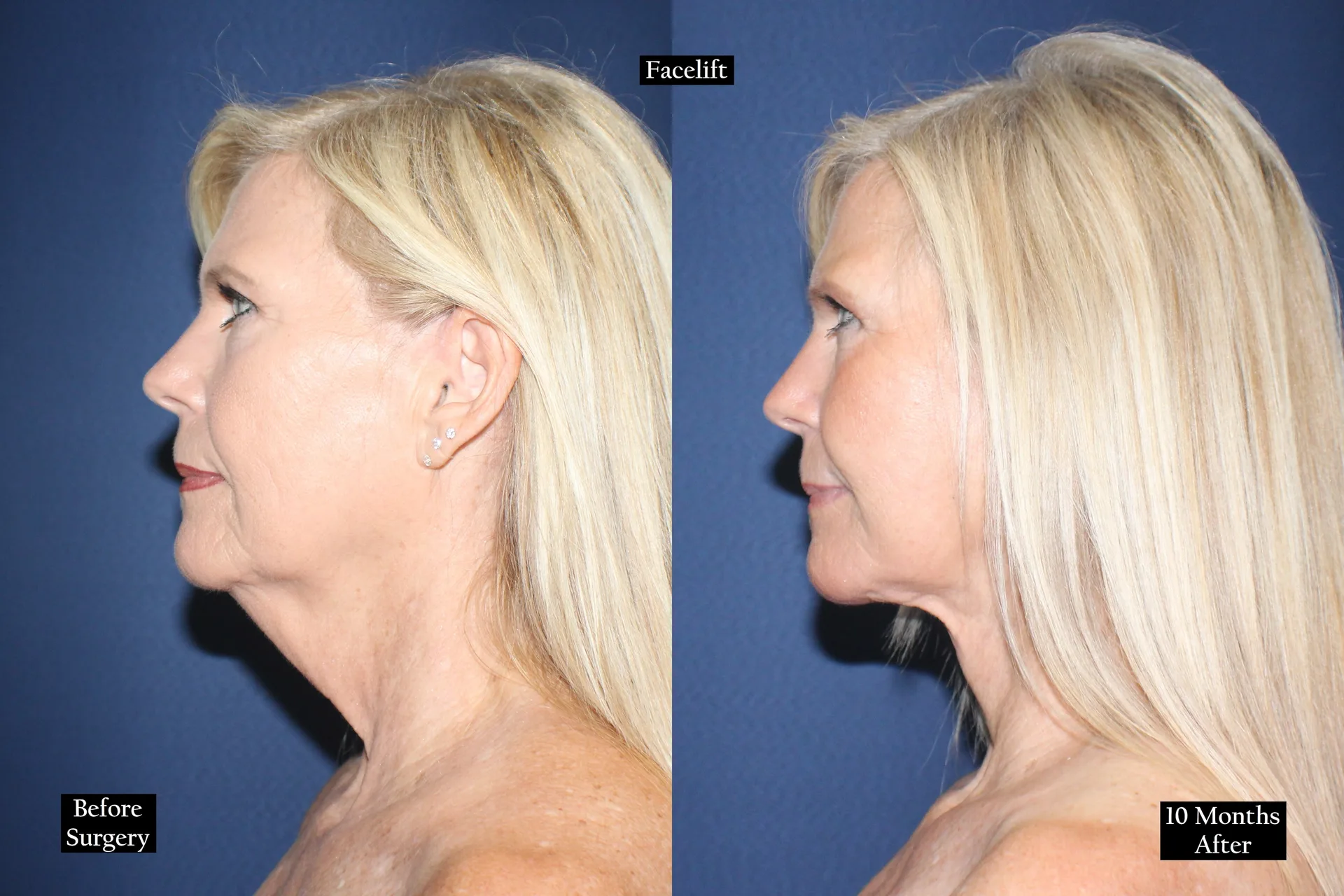
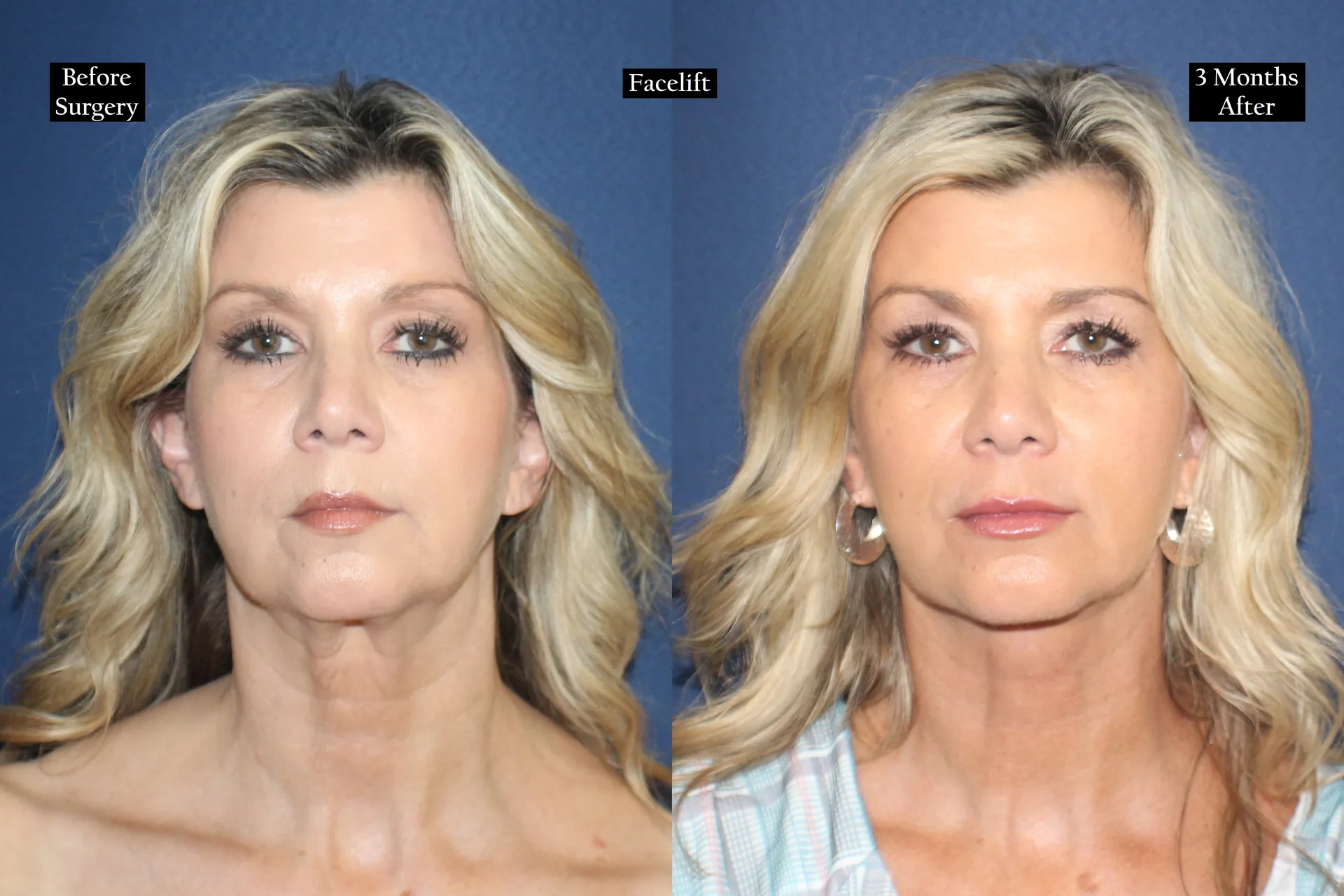
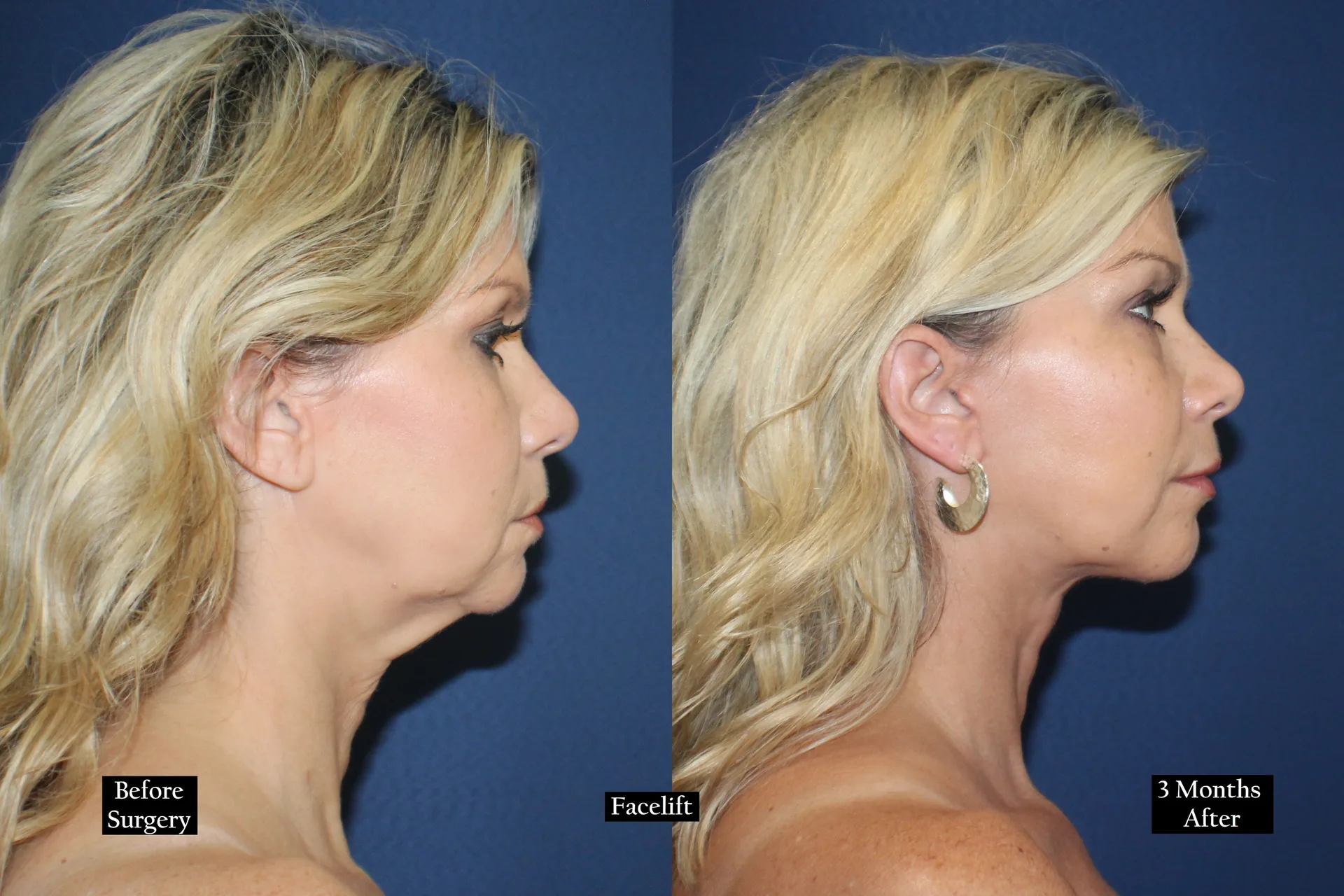
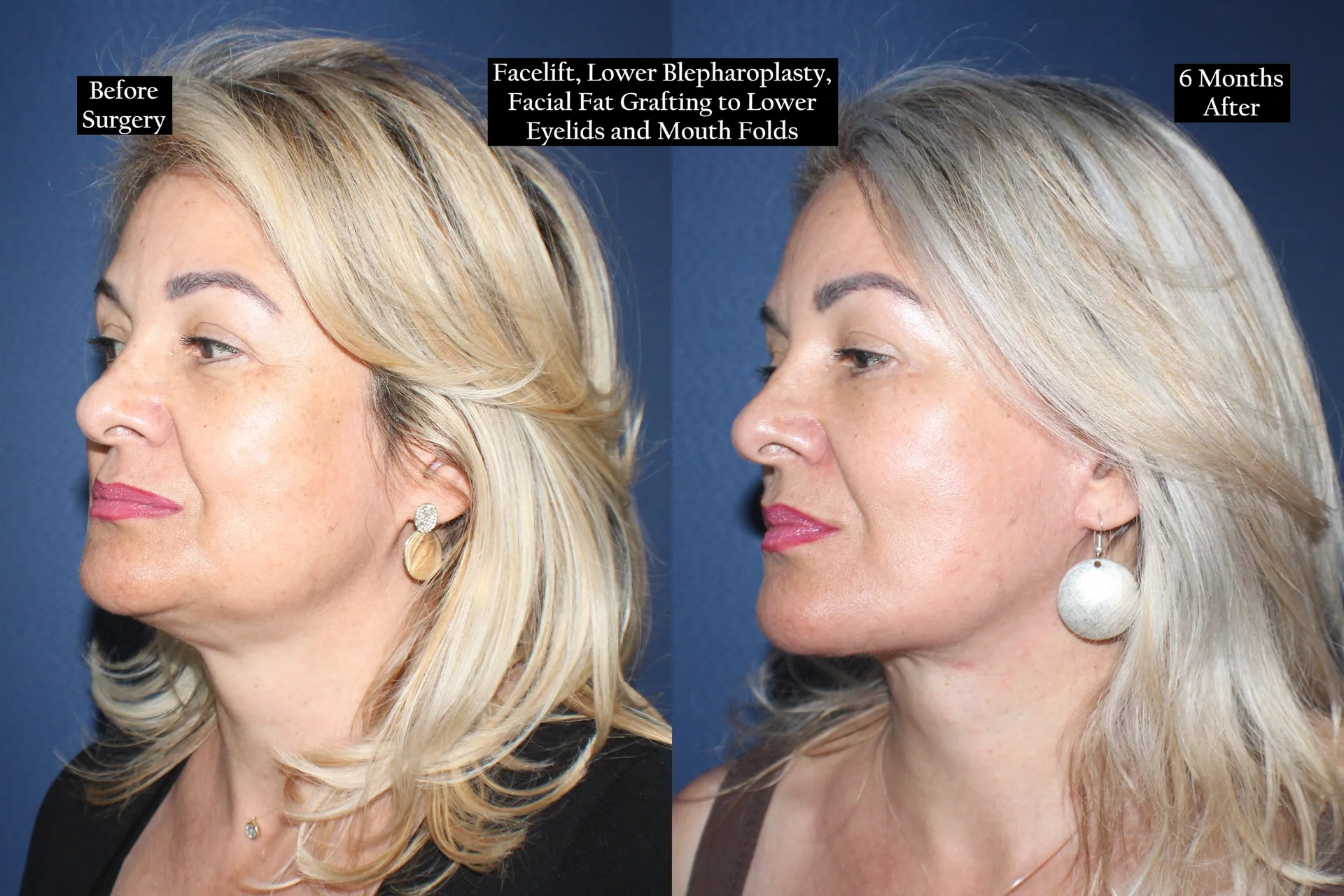
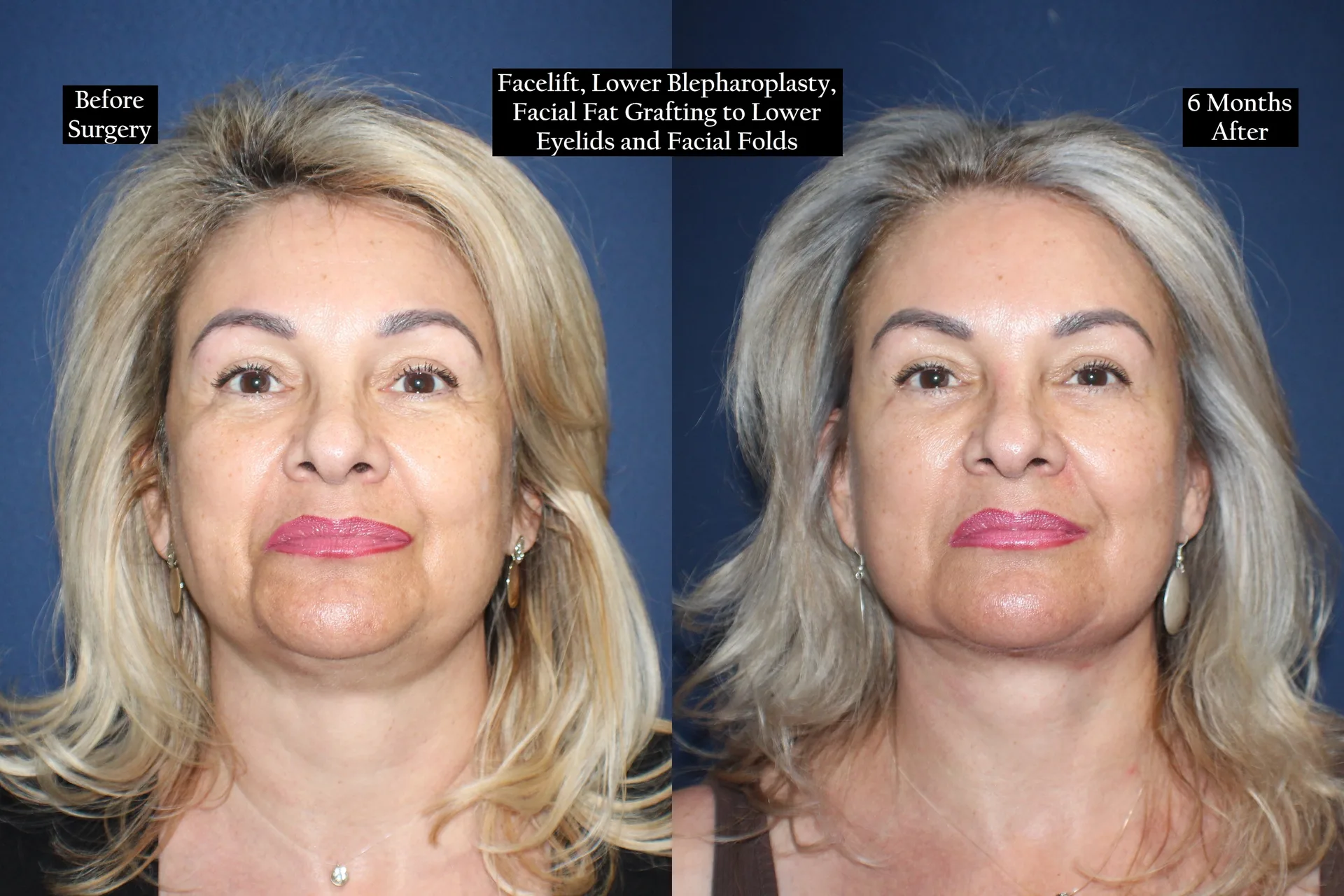
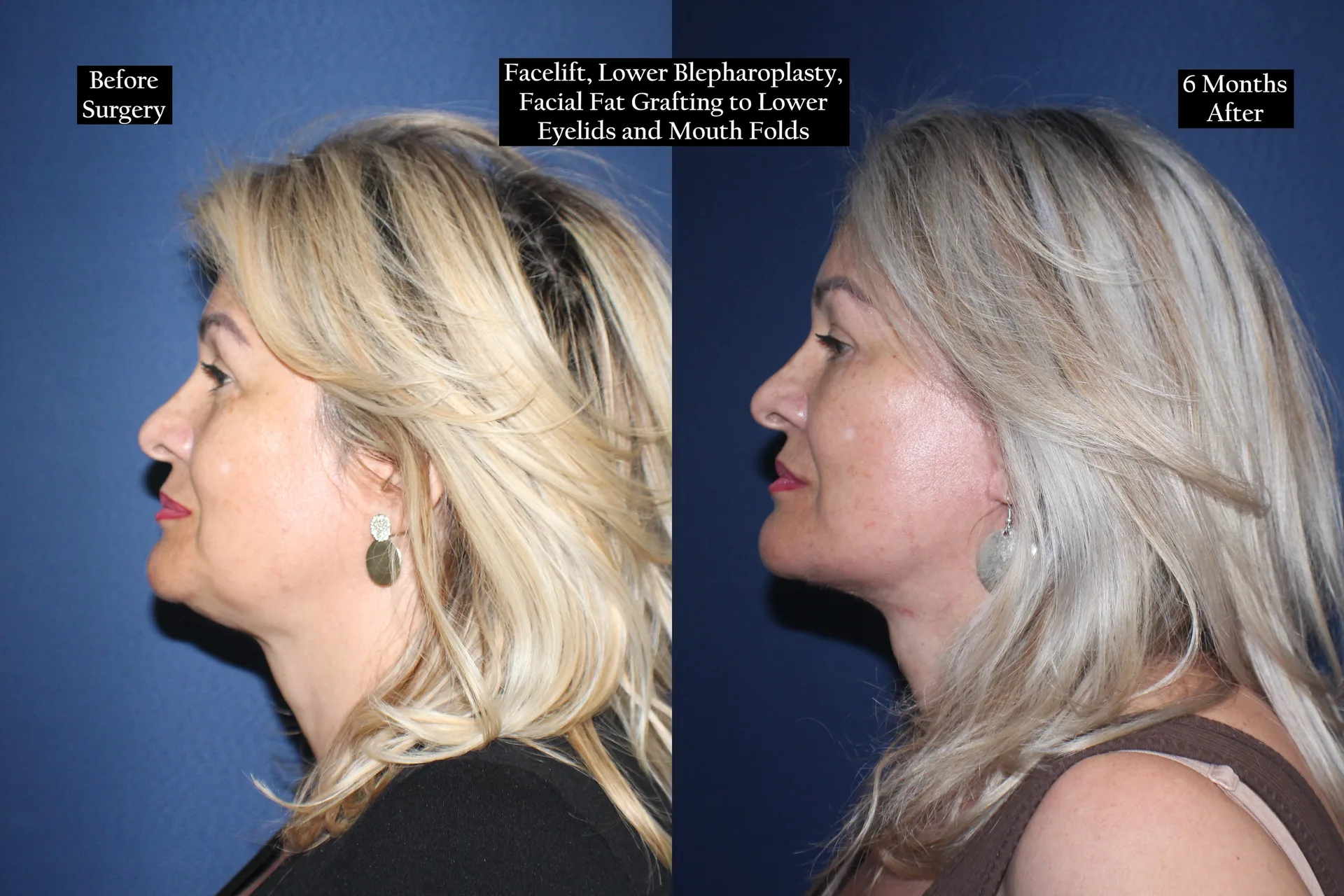
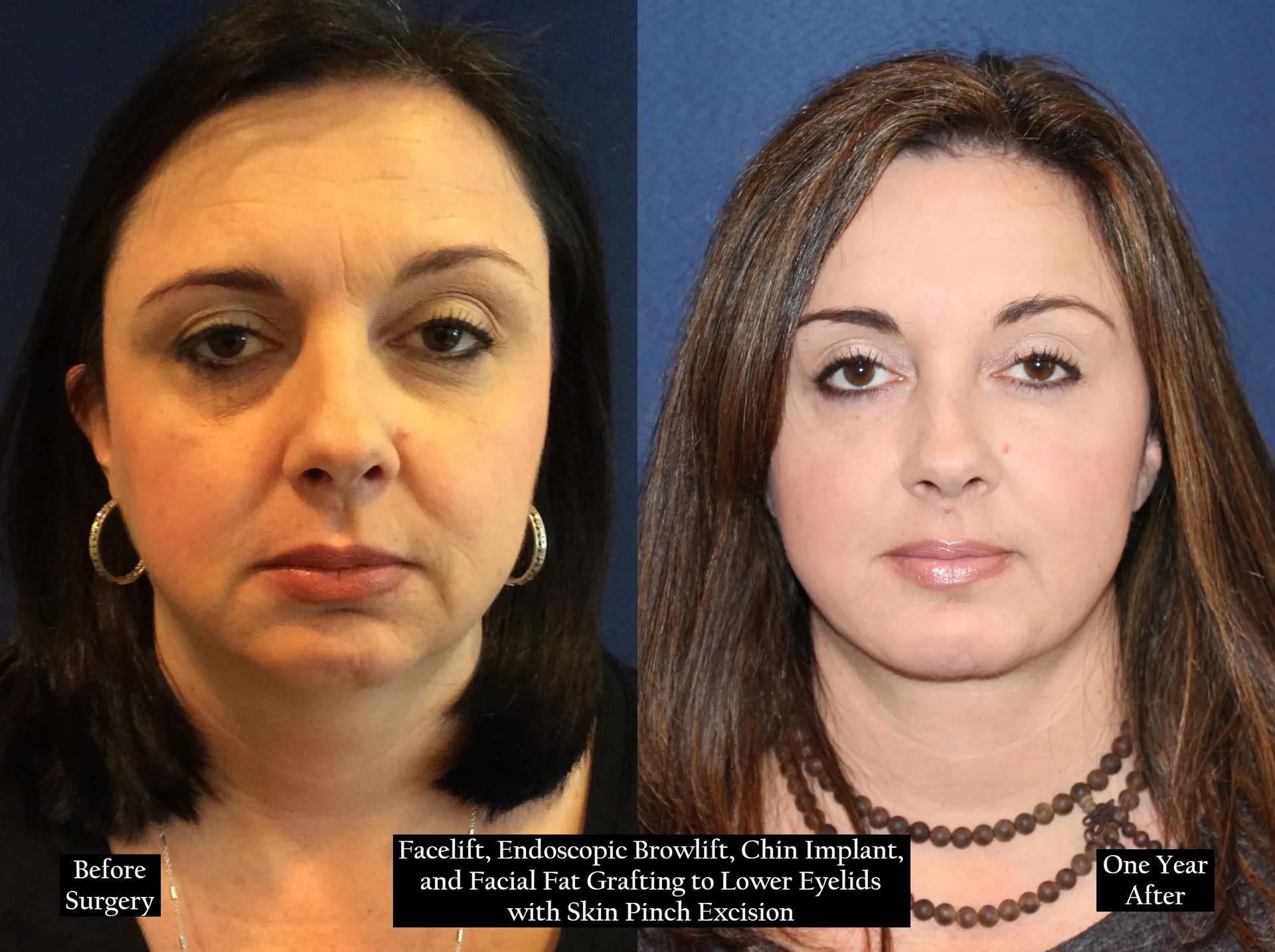
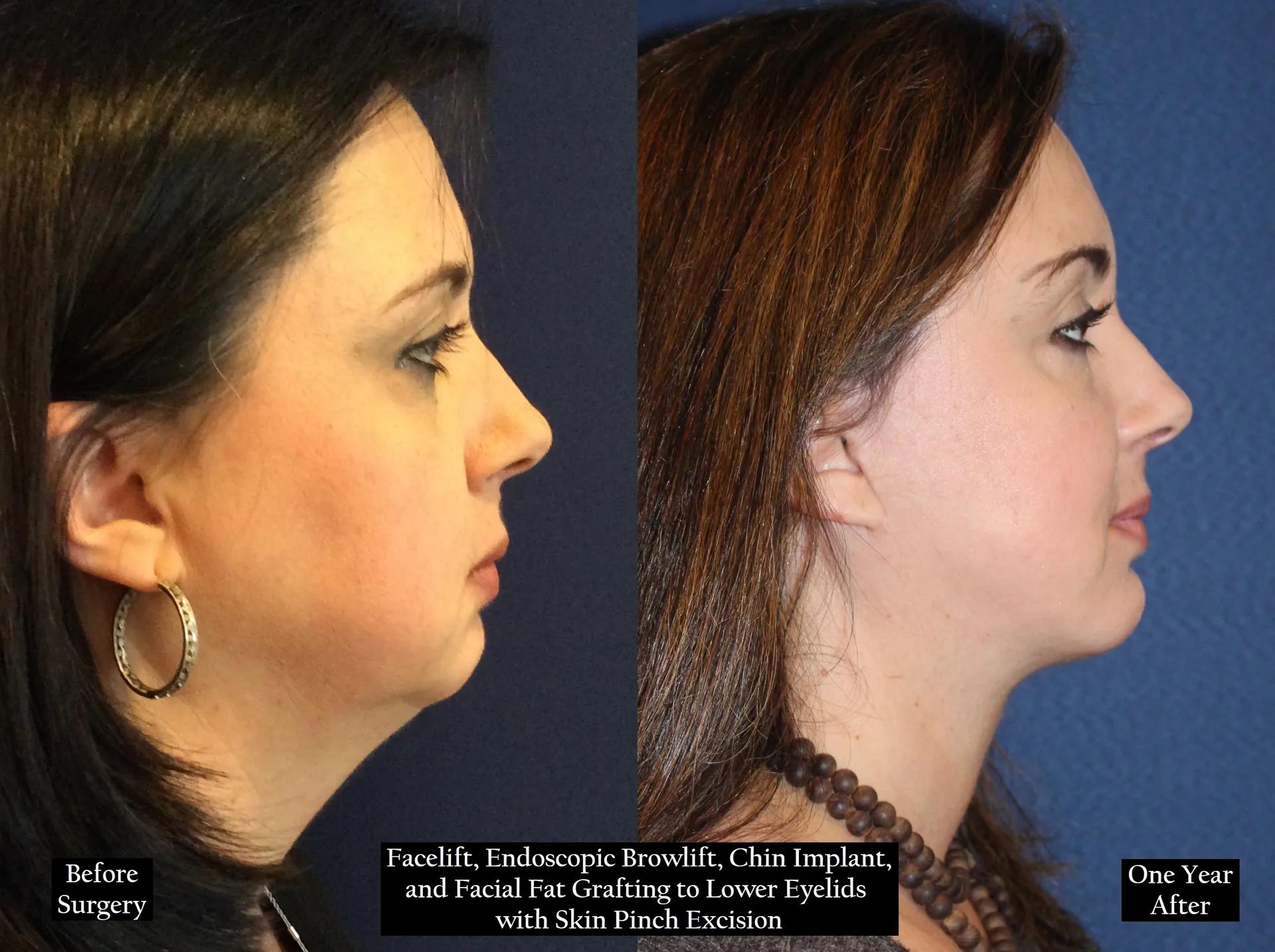
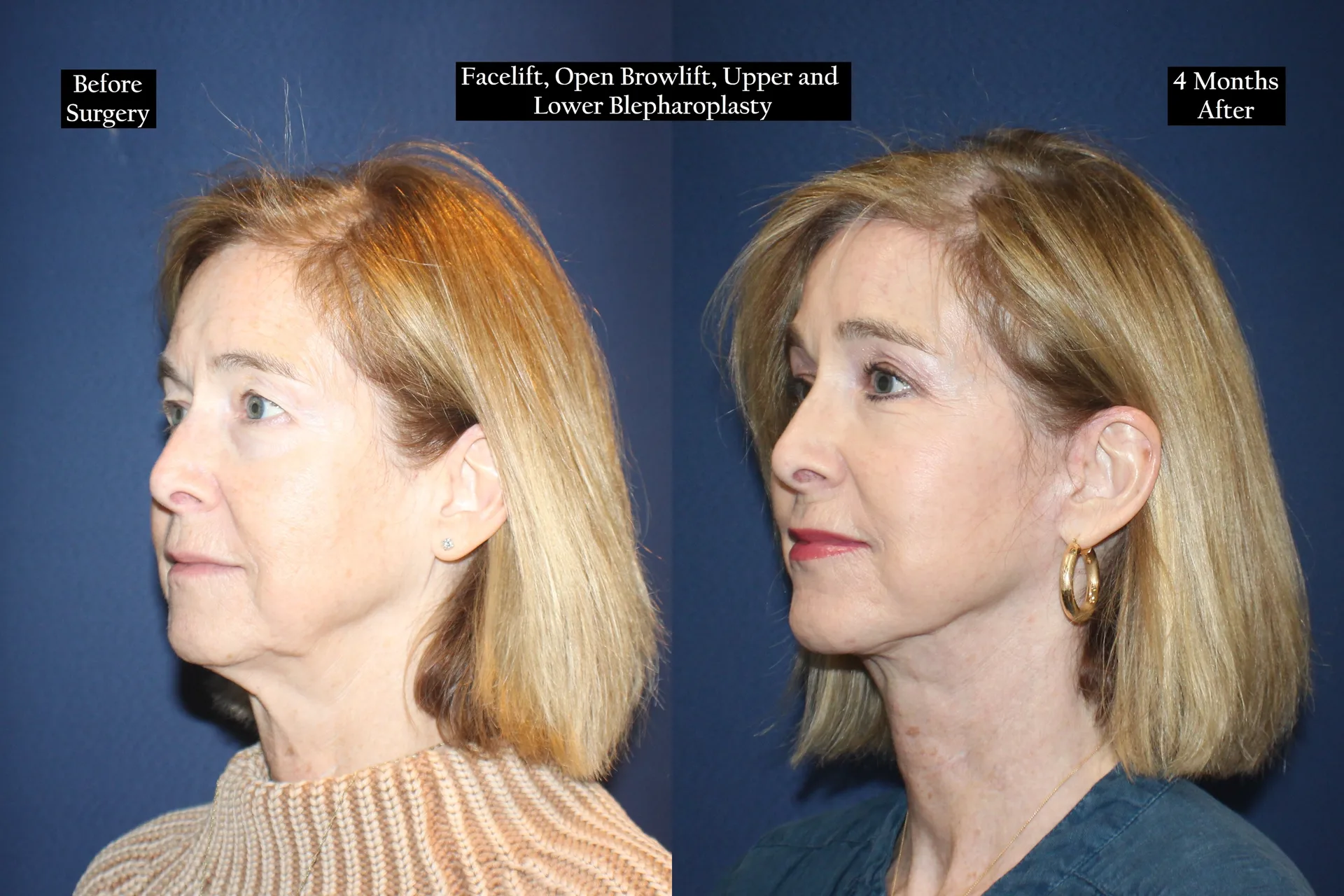
The full, final result is typically visible by 6–12 months post-operatively as all residual swelling resolves.
Every facelift at Sieveking Plastic Surgery begins with a one-on-one consultation with Dr. Sieveking. He performs a detailed facial analysis evaluating skin quality, tissue laxity, volume relationships, and neck and jawline anatomy. He explains which technique is appropriate and why, identifies whether complementary procedures would enhance the overall result, and reviews your medical history and smoking status to confirm surgical safety.
Every facelift at Sieveking Plastic Surgery is performed at the practice’s brand-new, on-site, accredited surgical facility at 1200 Old Hillsboro Road in Franklin, Tennessee. A deep plane facelift is performed under general anesthesia and typically takes 4–5 hours. Also performed under general anesthesia, the SMAS facelift typically takes 3–4 hours. The mini facelift may be performed under IV sedation with local anesthesia rather than general anesthesia, which reduces overall recovery time. Operative time is typically 1.5–2.5 hours, with shorter incisions confined to the area around the ears. Regardless of technique, incisions are planned to follow the natural contours of the hairline and ears so that scars mature into virtually imperceptible lines over time.
Days 1–2: Rest at home with head elevation and limited activity. A responsible adult must remain with you during this period. Days 3–7: Bruising and swelling peak and begin to ease. Sutures are generally removed within the first week. Weeks 1–2: Most visible bruising fades. Many patients return to light, sedentary work around 10–14 days. Weeks 3–6: Activity levels increase gradually. Strenuous exercise should be avoided for at least 3–4 weeks.
Months 2–12: Residual swelling resolves, incision lines soften, and the full, final result emerges as repositioned tissues mature into their new position. Over 12 months, scars fade and soften progressively and are typically well concealed by the hair and the ear’s natural architecture.
Stanford-trained. Triple board-certified (including The American Board of Wound Management, ABWM). More than 25 years of surgical experience.
Dr. Nicholas Sieveking is Stanford-trained and triple board-certified (including The American Board of Wound Management, ABWM) in plastic and reconstructive surgery and anti-aging and functional medicine, a combination found nowhere else in Middle Tennessee.
He completed a post-residency fellowship in Rio de Janeiro under the legendary Ivo Pitanguy and brings more than 25 years of surgical experience to every procedure.
Medical aesthetics and functional medicine services are available under the same roof, so patients can coordinate surgical results with injectable maintenance, skin treatments, or a longevity health program with the same physician overseeing their care.
Not every facelift is the same procedure. Dr. Sieveking selects the technique that matches each patient’s anatomy, degree of aging, and aesthetic goals.
Every facelift at Sieveking Plastic Surgery begins with a one-on-one consultation with Dr. Sieveking. He explains which technique is appropriate and why, identifies whether complementary procedures would enhance the overall result, and reviews your medical history and smoking status to confirm surgical safety.
The questions most prospective patients ask before booking a consultation.
A good facelift candidate is a healthy adult with visible facial and neck laxity, realistic expectations, and no medical conditions that significantly impair healing. Most candidates are in their 40s to 70s, though the right timing is individual. The most reliable way to determine candidacy is a consultation with Dr. Sieveking.
These techniques differ in the depth of tissue they address and the degree of aging they are designed to correct. A deep plane facelift repositions the deepest structural layer for the most comprehensive mid-face and lower-face rejuvenation. A SMAS facelift tightens the muscular layer beneath the skin for thorough lower-face and neck correction. A mini facelift uses shorter incisions and lighter tissue work, suited for younger patients with early, mild laxity.
Most patients return to light, sedentary activity around 10–14 days after a full facelift. Strenuous exercise is restricted for 3–4 weeks. The full, final result is typically visible by 6–12 months post-operatively as all residual swelling resolves.
Facelift incisions are carefully placed to follow the natural contours of the hairline and ears, making them as discreet as the anatomy allows. Over 12 months, scars fade and soften progressively and are typically well concealed by the hair and the ear’s natural architecture.
Facelift results typically last approximately 10 years, and many patients enjoy their results well beyond that window. Coordinating non-surgical maintenance, including medical-grade skincare, injectables with Susie Cody, and the practice’s Bio-identix skincare line, can meaningfully extend the appearance of surgical results over time.
Yes, and for many patients, a coordinated approach produces the most harmonious result. Dr. Sieveking commonly pairs a facelift with a neck lift, brow lift, or eyelid surgery when addressing multiple facial zones in a single setting is in the patient’s best interest. Combining procedures reduces overall recovery time compared to staging them separately.
If you are considering a facelift in Franklin, Brentwood, or the greater Nashville area, schedule a consultation with Dr. Sieveking today. The conversation is private, unhurried, and tailored entirely to you.
1200 Old Hillsboro Road, B2 · Franklin, Tennessee
Mon–Thu 9–4:30 · Fri by appointment