
How Long Does a Facelift Last?
How long a facelift lasts depends less on a fixed number of years and more on the quality of the surgery, the health of your tissue, and how you age afterward.
How long a facelift lasts depends less on a fixed number of years and more on the quality of the surgery, the health of your tissue, and how you age afterward. Most patients enjoy a refreshed, natural appearance for a decade or longer, and many continue to look more youthful than their untreated peers for the rest of their lives. Understanding facelift longevity helps you set realistic expectations and plan your care around Dr. Sieveking's timeline rather than a calendar date.
Key Takeaways
A well-performed facelift typically holds visible results for 10-15 years. The exact timeline depends on surgical technique, skin quality, and how carefully a patient maintains their results afterward.
A facelift resets the aging clock rather than stopping it. Your face continues to age naturally after surgery, but from a more youthful starting point than before treatment.
The best age for a facelift is determined by the degree of skin laxity, not a specific birthday. Most candidates fall between their late 40s and mid-60s, though tissue quality varies widely from person to person.
Most facelift patients never need a second full surgical facelift. Many maintain their results indefinitely with conservative touch-ups, skin care, and non-surgical treatments rather than a repeat procedure.
Maintenance treatments and sun protection meaningfully extend facelift longevity. Neurotoxins, collagen biostimulators, and disciplined skin care all help preserve the surgical result over time.
If you are weighing the timing of a facelift or wondering how long your results might hold, a personal consultation with Dr. Sieveking is the most reliable way to get an answer tailored to your anatomy. Schedule a consultation at our Franklin practice to discuss your goals and candidacy.
What Does Facelift Longevity Actually Mean?
Facelift longevity refers to how long the visible improvements from surgery remain apparent, not a guarantee that your face stops aging. A facelift repositions descended tissue, removes excess skin, and restores a more youthful contour along the jawline, cheeks, and neck. From that point forward, your face continues to age naturally, but from a considerably earlier starting point than it would have without surgery.
This distinction matters. Patients often ask whether their results are permanent, and the honest answer is that no facelift stops the clock entirely. What it does is set the clock back, often by a decade or more depending on the technique used and the condition of your tissue at the time of surgery. Because of this reset, most patients continue to look noticeably more youthful than their untreated peers for many years after their procedure, even as natural aging continues in the background.
Dr. Sieveking, a Stanford-trained, double board-certified plastic surgeon with over 25 years of experience, approaches every facelift with this long view in mind. His conservative, natural-results philosophy, refined during a post-residency fellowship under Ivo Pitanguy in Brazil, prioritizes a result that continues to look like you, only rested, for as long as possible.
What Factors Influence How Long a Facelift Lasts?
Facelift longevity is not determined by the surgery alone. A range of surgical and lifestyle factors work together to determine how many years your results hold before you notice meaningful changes again.
Surgical technique and depth of dissection. Deeper, structural techniques that address the underlying muscle and connective tissue layer, rather than skin alone, tend to produce more durable, natural-looking results than superficial skin-only approaches.
Skin quality, sun history, and smoking. Sun-damaged or thin skin loses elasticity faster, and smoking restricts blood flow to the tissue, both of which can shorten how long your results appear fresh.
Weight fluctuation. Significant weight gain or loss after a facelift can alter facial volume and skin tension, sometimes accelerating the return of laxity in the treated areas.
Hormonal and metabolic health. Hormonal changes affect collagen production and skin elasticity, which is one reason integrated care that considers your broader health, not just your face, can support a longer-lasting outcome.
Ongoing skin care and maintenance treatments. Patients who commit to a disciplined skin care regimen and periodic maintenance treatments generally preserve their surgical result longer than those who do not.
Because these factors vary so much from patient to patient, facelift longevity is genuinely individual. A conservative, well-executed procedure paired with good tissue health and diligent maintenance is the combination most likely to produce results that hold for well over a decade.
When Is the Best Age to Have a Facelift?
The best age for a facelift is guided by the degree of skin laxity present, not by a specific birthday. Two women of the same age can have very different amounts of facial aging depending on genetics, sun exposure, and lifestyle, so Dr. Sieveking evaluates tissue quality and laxity rather than relying on a number.
Most facelift candidates fall between their late 40s and mid-60s, a window when jowling, neck laxity, and volume descent become noticeable enough to address surgically but the skin still retains enough elasticity to respond well to repositioning. Having surgery too early, before there is meaningful laxity to correct, can mean a subtler result that does not fully justify the procedure. Waiting too long, on the other hand, allows tissue laxity and volume loss to progress to a point where the surgery required becomes more extensive and recovery may take longer.
Timing a facelift well is a conversation, not a formula. At your consultation, Dr. Sieveking will assess your skin's elasticity, bone structure, and pattern of aging to help you understand whether now is the right time or whether a non-surgical approach might serve you better for a few more years.
How Can You Extend Your Facelift Results?
Extending a facelift's results starts with protecting the surgical work through thoughtful, ongoing care rather than waiting to intervene once changes reappear. A number of complementary treatments and habits can meaningfully stretch the lifespan of your results.
Maintenance injectables. Toxins and dermal fillers can address early volume loss or dynamic lines that develop after surgery without requiring another operation.
Neurotoxin treatments. Neurotoxin treatments for dynamic lines and muscle relaxation help preserve a smooth, refreshed appearance in the years following surgery.
Collagen biostimulators. These treatments encourage your own collagen production over time, supporting the structural foundation your facelift established.
Medical-grade skin care and sun protection. Daily sun protection and a tailored regimen, including our proprietary Bio-identix DEFY line, help preserve skin quality and slow visible aging in the treated areas.
Longevity and hormonal health. Because collagen production and skin elasticity are influenced by hormonal balance, our in-house functional medicine team, led by Jan Stanley, RN, MS, can evaluate whether hormone optimization supports your skin health goals alongside your surgical results.
This is one of the advantages of a practice built around integrated care. Because Dr. Sieveking oversees surgery, medical aesthetics, and functional and longevity medicine under one roof in Franklin, your facelift maintenance plan can draw on all three disciplines rather than being limited to one.
Most patients who invest in this kind of ongoing, tailored maintenance never require a second full facelift. Instead, they extend the life of their original result with smaller, less invasive interventions along the way, a pattern well supported by clinical literature on facial aging and skin elasticity from the National Institutes of Health.
Frequently Asked Questions About Facelift Longevity
How long does a facelift typically last?
Most facelift patients enjoy visible results for 10-15 years, though this range varies based on technique, skin quality, and maintenance. Because a facelift resets your aging trajectory rather than pausing it entirely, many patients continue to appear more youthful than they otherwise would for the rest of their lives.
What is the best age for a facelift?
There is no single best age for a facelift, since candidacy depends on the degree of skin laxity rather than a birthday. Most patients pursue surgery between their late 40s and mid-60s, when jowling and neck laxity have progressed enough to benefit from correction but skin elasticity is still favorable.
Will I need a second facelift?
Most patients do not require a second full facelift, particularly when the original surgery is conservative and well executed and is paired with ongoing maintenance. Some patients eventually choose a smaller revision procedure years later as natural aging continues, but this is a personal decision made in consultation with your surgeon.
Can I make my facelift results last longer?
Yes. Consistent sun protection, a tailored skin care regimen, maintenance injectables, and attention to hormonal and metabolic health all support longer-lasting results. Weight stability also plays a meaningful role, since significant fluctuations can alter facial volume and tension in the treated areas.
Does a facelift stop me from aging?
No, a facelift does not stop the aging process. It repositions tissue and removes excess skin to create a more youthful baseline, and your face continues to age naturally from that improved starting point.
Is it better to have facelift surgery earlier or wait?
Timing depends on your individual degree of skin laxity rather than a set age. Having surgery before meaningful laxity develops can produce a subtler result, while waiting too long may require more extensive correction, so an in-person evaluation is the most reliable way to determine your ideal window.
Plan Your Facelift Timing With Dr. Sieveking in Franklin, TN
Understanding facelift longevity is easier with a personalized evaluation of your skin, bone structure, and aging pattern. Dr. Sieveking, a multiple-time Best Plastic Surgeon in Nashville, brings a Stanford-trained, conservative approach to every consultation at our Franklin practice on Old Hillsboro Road.
Contact Sieveking Plastic Surgery in Franklin, Tennessee to schedule a consultation and discuss whether now is the right time for your facelift, or whether a non-surgical approach can serve you well in the meantime. For patients in Brentwood, Williamson County, or greater Nashville who face travel or scheduling barriers, a telehealth consultation with Dr. Sieveking is also available to begin the conversation.
About the author
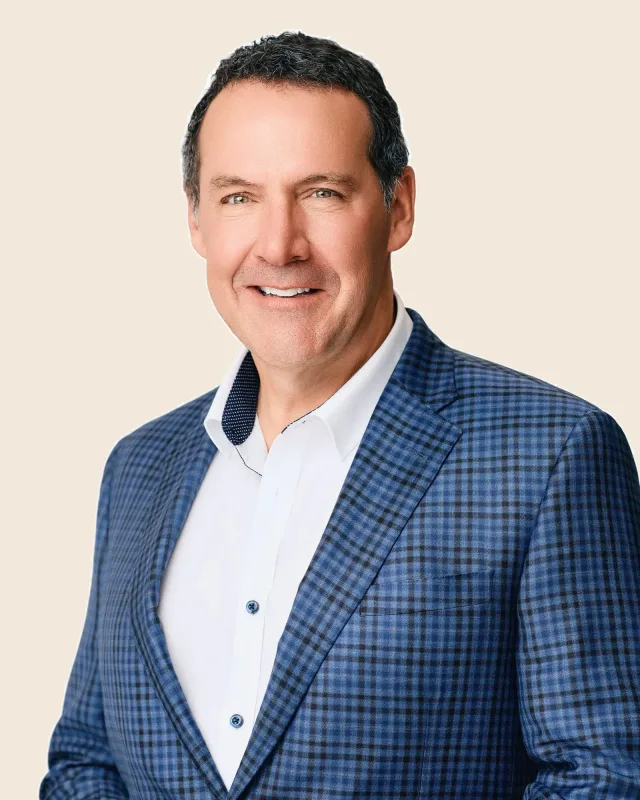
Dr. Nicholas Sieveking
Dr. Sieveking trained at Stanford University School of Medicine in both general and plastic surgery. He brings more than 25 years in practice to his work in Franklin, Tennessee, with a focus on natural results.
Meet Dr. Sieveking- Published
- Reading time
- 8 minutes
- Filed under
- Plastic Surgery
- Ask in person
- Book a consultation →