


How to Get Rid of Jowls
How to get rid of jowls depends first on understanding why they formed, since jowling is rarely one single problem with one single fix.
How to get rid of jowls depends first on understanding why they formed, since jowling is rarely one single problem with one single fix. It is a combination of skin laxity, midface volume loss, and weakened retaining ligaments that together allow the lower face to descend along the jawline. For patients in Franklin and Brentwood who value natural, conservative results, the right answer is rarely a single product or a single procedure. It is a tailored plan matched to your specific stage of aging.
Key Takeaways
Jowls result from three overlapping causes, not one. Collagen and elastin decline, midface volume loss, and laxity of the retaining ligaments along the jaw all contribute at once, which is why single treatments often fall short.
Non-surgical options work best for mild laxity. Collagen biostimulators, PDO threads, and skin tightening treatments can soften early jowling but have a ceiling once ligament descent becomes moderate or advanced.
A lower facelift or neck lift is the more predictable choice for moderate to advanced laxity. These surgical approaches reposition descended tissue and the underlying support structures rather than only addressing the skin's surface.
Most non-surgical jowl treatments last approximately 12 months. Maintenance sessions are typically needed to sustain results, while surgical correction offers a more lasting reset of the jawline contour.
An in-person consultation is required to determine your stage of laxity. Only a physical assessment by a qualified surgeon can confirm whether you are a candidate for non-surgical treatment, surgery, or a combination of both.
If you would like a professional opinion on where you fall on this spectrum, schedule a consultation with Dr. Sieveking at Sieveking Plastic Surgery in Franklin, Tennessee. He will assess your anatomy in person and outline the options best suited to your goals.
What Actually Causes Jowls
Jowls form gradually as several structural changes occur together beneath the skin. Understanding each contributing factor is the first step toward choosing a treatment that actually addresses your specific situation rather than a generic approach.
Collagen and Elastin Decline
As we age, the skin produces less collagen and elastin, the proteins responsible for firmness and elasticity. Without adequate collagen support, the skin along the jawline loses its ability to resist gravity and begins to sag rather than spring back into place.
Midface Volume Loss
The cheeks and midface lose fat volume over time, and that loss shifts the visual weight of the face downward. What once sat higher on the cheekbones descends toward the jawline, creating the appearance of fullness below the jaw even in patients who have not gained weight.
Retaining Ligament Laxity
The face is anchored by a network of retaining ligaments that hold deeper facial tissues in position. As these ligaments stretch and loosen with age, the tissue they once supported descends, and this ligament laxity is a primary driver of true jowling rather than simple skin looseness.
Underlying Bone Remodeling
The jawbone itself changes shape with age, typically losing density and projection along the mandible. As the underlying bony support diminishes, the soft tissue above it has less structure to rest on, compounding the descent caused by ligament laxity and volume loss.
Non-Surgical Options and What They Address
Non-surgical treatments can meaningfully soften early jowling, but each addresses a different piece of the underlying problem. Matching the treatment to the cause is what determines whether a patient sees a proportionate improvement.
Collagen biostimulators stimulate your own collagen production over time, gradually restoring structure and firmness to skin that has begun to thin. They are best suited to patients with mild volume loss and early skin laxity rather than significant ligament descent.
PDO threads use dissolvable sutures placed beneath the skin to provide a mild, temporary lift and repositioning effect. They work well for patients with early, mild jowling but offer limited correction once ligament laxity becomes more pronounced.
Neurotoxin treatments for the platysma band and jawline muscles can offer subtle tightening and improve skin quality, particularly for patients whose primary concern is skin texture rather than significant descent.
Dermal fillers can restore lost midface volume, which indirectly reduces the appearance of jowling by lifting weight off the lower face. Fillers do not reposition ligaments or remove excess skin, so their effect is proportional to how much of your jowling is volume-related.
The common thread among all non-surgical jowl treatment options is that they are best suited to mild laxity. Once ligaments have stretched significantly or excess skin has developed, these treatments can still provide a refresh, but the results will be more subtle and shorter-lived than what surgery can accomplish.
When Is Surgery the More Predictable Choice?
Surgery becomes the more predictable choice once jowling has progressed to moderate or advanced laxity, because at that stage the underlying support structures, not just the skin's surface, require repositioning. A lower facelift addresses the jawline and jowls directly by lifting and securing the deeper tissue layers back into a more youthful position, while a neck lift is often performed alongside it to address laxity beneath the chin and along the neck.
Layering non-surgical treatments past a certain point yields diminishing returns. Adding more biostimulator sessions or additional threads to tissue that has already descended significantly cannot replicate the structural correction that surgery provides, and continuing to do so becomes a less efficient use of both time and investment.
Dr. Sieveking is known throughout Middle Tennessee for a conservative, natural-result approach to facelift surgery. As a Stanford-trained, board-certified plastic surgeon with over 25 years of experience and a post-residency fellowship under Ivo Pitanguy in Brazil, he prioritizes results that look refreshed rather than overdone, tailoring the extent of surgery to what each patient's anatomy actually requires.
Schedule Your Jowl Treatment Consultation
The most reliable way to determine your options is a personal consultation with Dr. Sieveking at Sieveking Plastic Surgery in Franklin. He will evaluate your skin quality, volume, and ligament laxity in person to recommend a plan tailored to your face.
How Do You Judge Your Own Stage of Jowling?
Mild laxity typically presents as a slight softening along the jawline that is more visible when looking downward or in certain lighting, with skin that still has reasonable elasticity. At this stage, non-surgical treatments such as biostimulators or threads often provide a satisfying improvement.
Moderate laxity involves a visible break in the jawline contour, with jowls that are noticeable in a relaxed, forward-facing position rather than only from certain angles. Advanced laxity includes significant skin excess, deeper folds extending from the mouth toward the jaw, and a jawline contour that has lost its definition even at rest.
It is difficult, and often inaccurate, to self-diagnose which stage you fall into from a mirror alone. An in-person assessment is required to determine candidacy for any treatment path, since factors like skin thickness, bone structure, and ligament integrity are best evaluated by a trained surgeon rather than estimated at home. For patients who face travel or childcare barriers, Dr. Sieveking also offers a telehealth consultation option as an alternative starting point before an in-person visit.
Frequently Asked Questions About Jowls
What causes jowls to form?
Jowls form from a combination of collagen and elastin decline, midface volume loss that shifts weight downward, and laxity of the retaining ligaments that normally hold facial tissue in place. Bone remodeling along the jaw also reduces the structural support beneath the skin as we age.
Can jowls be improved without surgery?
Yes, mild jowling often responds well to non-surgical treatments such as collagen biostimulators, PDO threads, and dermal fillers that restore volume or stimulate collagen. These options have a ceiling, however, and moderate to advanced laxity typically requires surgical correction for a proportionate result.
At what age do jowls typically appear?
Jowls often begin to appear in the late 40s to 50s, though the exact timing varies significantly based on genetics, skin type, sun exposure, and lifestyle factors. Some patients notice early signs in their 40s, while others do not see meaningful jowling until later.
Do fillers help jowls or make them look heavier?
Dermal fillers can help when jowling is driven primarily by midface volume loss, since restoring cheek volume lifts weight off the lower face. Used incorrectly or in the wrong location, however, filler can add unwanted heaviness, which is why placement should be guided by a highly skilled injector.
How long do non-surgical jowl treatments last?
Most non-surgical jowl treatments, including biostimulators and threads, last approximately 12 months before their effects begin to fade. Maintenance sessions are typically needed to sustain the improvement over time.
Is a lower facelift different from a full facelift?
Yes, a lower facelift focuses specifically on the jawline, jowls, and neck rather than addressing the brow or upper face. It is often the more targeted, appropriate choice for patients whose primary concern is jowling rather than aging changes elsewhere on the face.
Ready to Address Jowls in Franklin, Tennessee?
Sieveking Plastic Surgery, located at 1200 Old Hillsboro Road in Franklin, is the only practice in Middle Tennessee combining surgical expertise, medical aesthetics, and functional medicine under one double-board-certified physician. Patients throughout Williamson County and greater Nashville trust Dr. Sieveking for conservative, natural-looking results built around a plan tailored to their individual anatomy.
Contact Sieveking Plastic Surgery in Franklin, Tennessee to schedule your consultation and take the next step toward a jawline that looks like you, only refreshed.
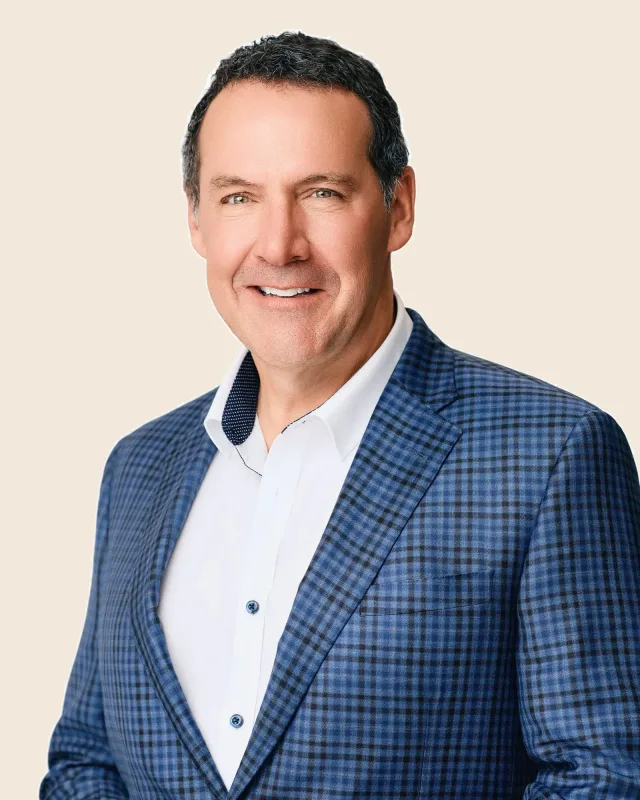
About the author
Dr. Nicholas Sieveking
Dr. Sieveking trained at Stanford University School of Medicine in both general and plastic surgery. He brings more than 25 years in practice to his work in Franklin, Tennessee, with a focus on natural results.
Meet Dr. Sieveking- Published
- Reading time
- 8 minutes
- Filed under
- Plastic Surgery
- Ask in person
- Book a consultation →